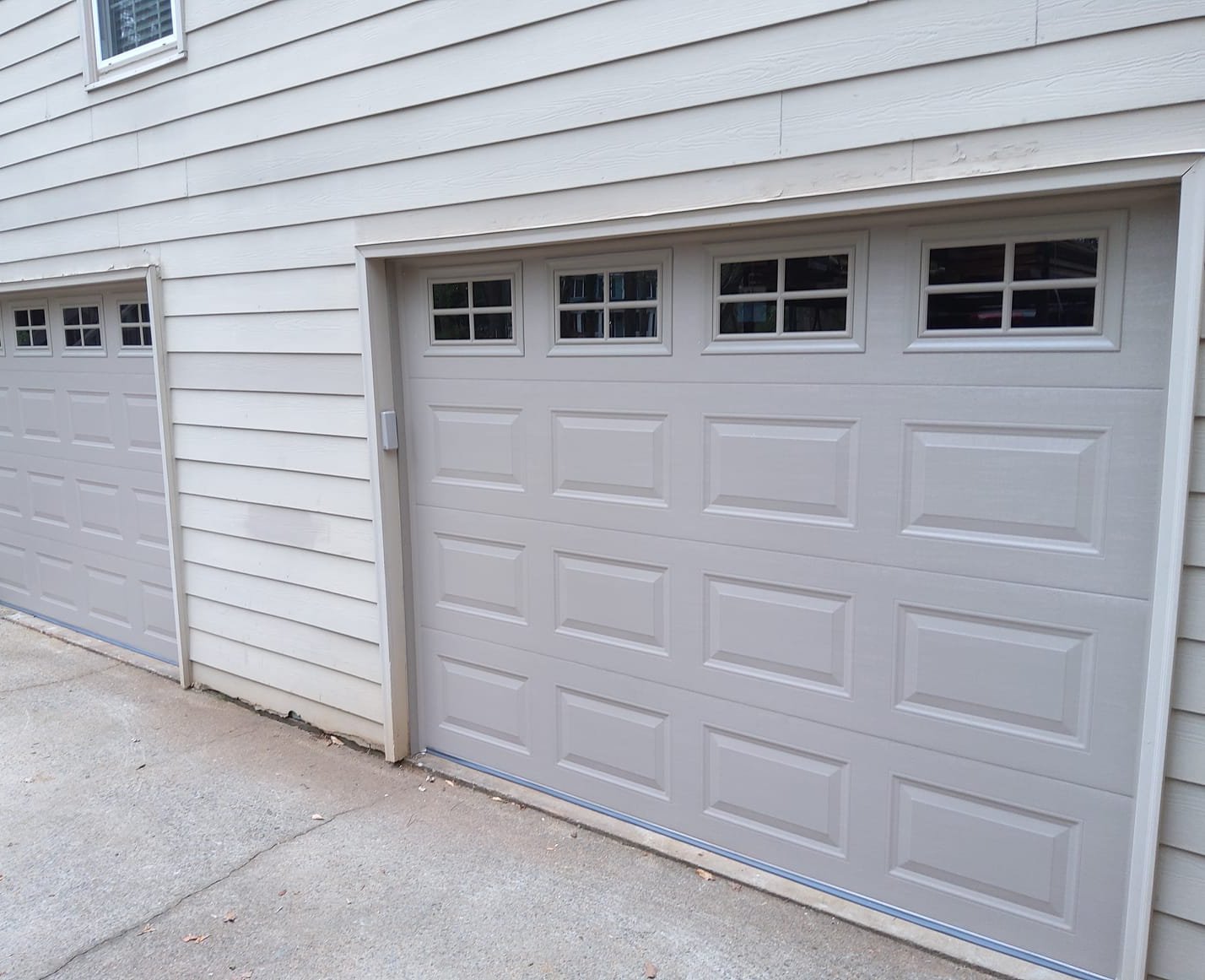
Common problems with residential garage doors include blocked sensors, dead remote batteries, worn rollers, broken springs, and loose cables. Start with power and controls if the door looks sound. Stop using it if it hangs crooked or a cable dangles.
Find the symptom first
One symptom can have several causes. A door that won't close at all needs a different check from one that hits the floor and comes back up. Start with what you saw or heard the last time it moved.
Leave the door where it is if it's crooked, visibly off track, or stuck partway after a bang. Keep people and pets clear of the opening. A visible spring break, frayed or hanging cable, or roller outside its track is enough to stop troubleshooting and call a technician. Leave the red emergency release untouched when the door is open or damaged.
| What you notice | Start here | When to stop checking |
|---|---|---|
| The door won't open or close from any control | Look for power and check the wall control | The opener has power but the door won't move or the motor strains |
| The door squeaks, rattles, or scrapes | Note where the noise came from | It grinds, jerks, or rubs against the track |
| A loud bang and a door that barely lifts | Look for a gap in the spring from the floor | Suspect a spring break and leave the door in place |
| A loose cable or one side lower than the other | Look from a safe distance | Any suspected lift-cable fault goes to a technician |
| A roller sits outside its track | Keep clear of the opening | Leave the door where it stopped and call |
| The door opens but won't close, and a sensor light changes | Clear the beam and check the lights | A light stays off or flashing after basic checks |
| The wall button works but the remote or keypad doesn't | Try a spare and check the battery | Several controls still fail after basic checks |
| The motor runs but the door stays put | Note whether the carriage moved | The latch won't reconnect or the drive looks damaged |
| The door starts down and then reverses | Note whether it reversed in midair or at the floor | Reversal repeats with a clear path, or a safety test fails |
| Light or rain comes in around the closed door | Inspect the seal and where it meets the floor | The door sits crooked or the seal holder is bent |
1. The garage door won't open or close
Sign and likely cause. When the wall control and remote both get no response, start with power. An unplugged opener or a tripped breaker can leave the opener silent. On some models, a lock setting affects the controls. If the opener hums and the door barely moves, look for signs of a jammed door or failed spring before treating it as an electrical problem.
Safe check. Check the wall control, the breaker, and whether the opener is plugged in, using only what you can reach safely. If the door has a manual slide lock and is already closed and level, see whether the latch is engaged. If the door opens normally and only refuses to close, go to the sensor and reversal checks below.
Call a technician if there is power and the opener still won't move the door, or if it strains against a stuck door. The garage door won't open or close guide walks through these symptoms in more detail.
If the door stopped opening after a freeze, look outside for ice along the bottom seal. Leave the opener off if the door is frozen to the floor. Forcing it open can tear the seal.
2. The garage door makes a new noise
Sign and likely cause. A squeak at a hinge or roller, the small wheel that rides in the track, can come from dry or worn parts. A scrape at one side points to rubbing or a track problem. A grind from the opener housing belongs in the motor-running check below, especially if the door stays still.
Safe check. With the door closed, look from the floor for a chipped roller, bent hinge, or visible scrape marks. If the door has been moving smoothly and you see no damage, lubricate only the accessible hinge pivots or roller bearings your door manual specifies. Keep lubricant off the tracks.
Call a technician if the sound persists, the door jerks, or you see worn rollers, a bent hinge, or track damage. Use the garage door noise guide to match the sound and where it comes from.
3. A garage door spring broke
Sign and likely cause. A sharp bang followed by a door that barely lifts is consistent with a broken spring. The springs counterbalance the door's weight. A broken torsion spring, the coil on the bar above the door, can have a visible gap. An extension spring, the longer spring alongside a horizontal track, can hang loose when it breaks.
Safe check. Look from the floor at a safe distance. If you see a gap or hanging spring, leave the door in place. Avoid using the opener or trying to lift the door by hand, even if a car is inside.
Call a technician for any suspected spring problem. Spring adjustment and replacement always require a trained technician. See garage door spring repair for the types of springs and the repair service.
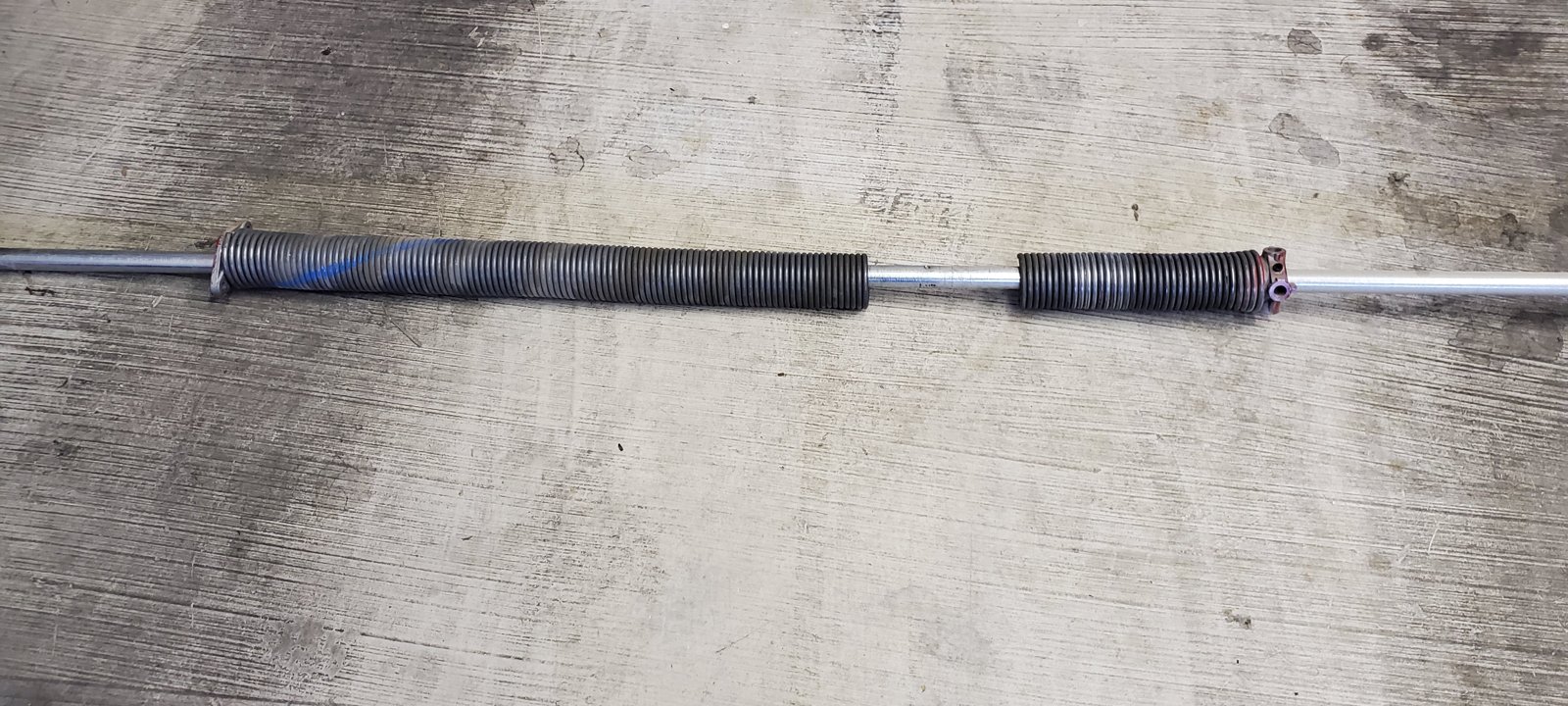
Photo: Garagedoorrepairlasvegas, Wikimedia Commons, CC BY-SA 4.0 (cropped and resized).

4. A lift cable came off, frayed, or snapped
Sign and likely cause. One side of the door sits lower, or a steel cable hangs near a track. The lift cables connect the spring system to the door. On a torsion setup, a cable can slip off its drum, the grooved wheel the cable winds around. A frayed or snapped cable can leave a similar-looking door.
Safe check. From a place clear of the opening, note which side is low or where the loose cable hangs. Leave both cables and the brackets at the bottom corners alone. Keep the opener off.
Call a technician for every lift-cable fault, even if the cable looks intact. The technician can find what caused it to come loose before returning the door to service. See what to do when a cable comes off its drum or the guide to a broken or frayed garage door cable.
5. The garage door came off its track
Sign and likely cause. A wheel outside the metal track confirms the door is off track. The door can also look twisted, jam halfway, or rub one side. A bent track, damaged roller, or trouble with a lift cable can put the door out of line. Mention any recent bump from a car when you call.
Safe check. Look from clear of the door's path. If you can see a wheel outside its track or a track pulled away from the frame, stop there. Keep the doorway clear and leave the door in that position.
Call a technician before moving it again. Leave the tracks, brackets, and rollers in place. The off-track garage door guide explains how to recognize the damage and what to do while you wait.
6. The safety sensors stop the door from closing
Sign and likely cause. The door still opens but refuses to close, or starts down and goes back up with a blinking opener light or an unusual sensor light. The safety sensors, also called photo-eyes, face each other low across the opening. A box in the beam, a bumped sensor, or a wiring fault can trigger that response.
Safe check. Move objects away from the opening and wipe the lenses with a soft, dry cloth. Use your model's manual to check what both indicator lights should show. If a sensor was bumped and the manual gives a simple alignment check, follow it with the door stationary.
Call a technician if either light stays off or keeps flashing, the wiring looks damaged, or the door still won't close. Keep the sensors connected and working. Our garage door sensor troubleshooting guide explains model-specific lights and alignment.
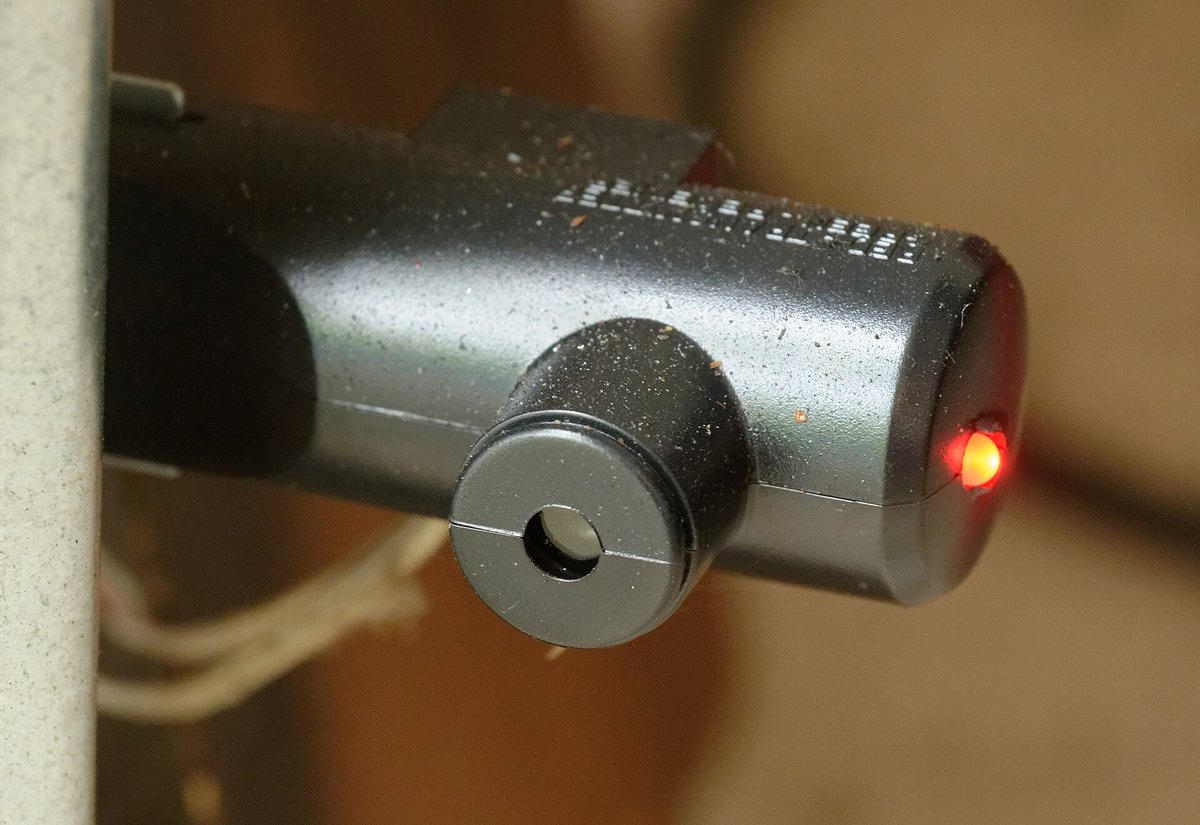
Photo: Jud McCranie, Wikimedia Commons, CC BY-SA 4.0 (resized).

7. A garage door remote or keypad stops working
Sign and likely cause. The wall button still moves the door, but one remote fails or the keypad won't respond. Start with the accessory's battery or pairing. If several handheld remotes fail at once, check the wall control's Lock mode if your opener has one. For a keypad that lights up but won't open the door, check whether you're using the regular PIN or an expired temporary one.
Safe check. Try another paired remote, put in the battery specified for the device, and follow your model's pairing steps if you need them. Chamberlain and LiftMaster warn that holding the Learn button can erase the stored remotes and keypads. Check the instructions for your model before pressing it.
Call a technician if multiple wireless controls still fail after battery, lock, and pairing checks. See garage door remote programming or how to set or reset a keypad PIN for model-specific steps.
8. The opener runs but the door doesn't move
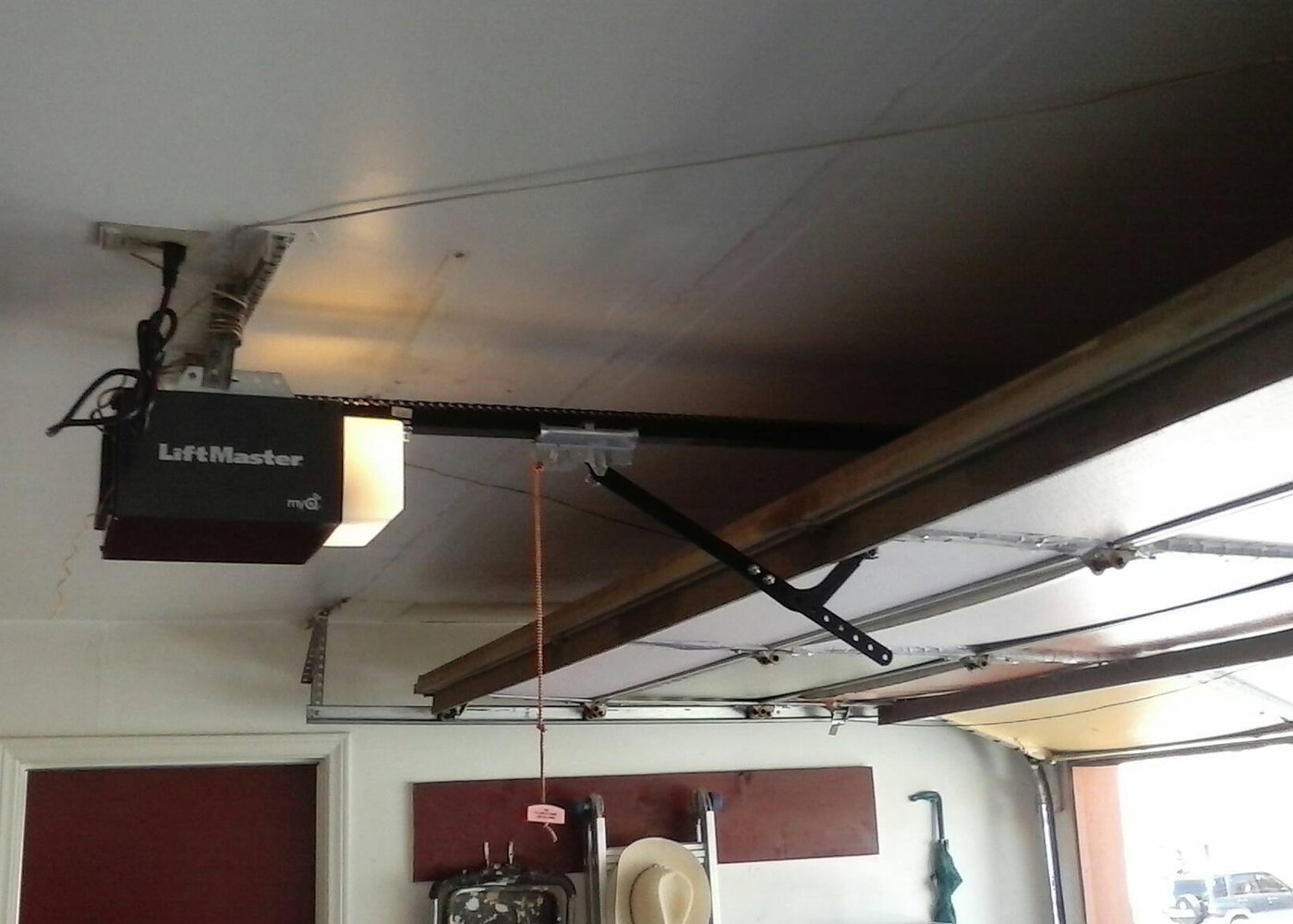
Sign and likely cause. The motor runs and the trolley, the carriage that connects the opener rail to the door arm, travels without the door. The emergency release can leave it disconnected after a power outage. If the motor runs and the chain or belt stays still, the fault can be in the drive, such as a damaged gear or sprocket on a chain-drive model.
Safe check. Use what you already saw from the floor. If someone used the release, the door is fully closed, and the springs, cables, and rollers look sound, follow the opener manual's reconnection instructions. Keep hands away from the drive and leave the opener cover on.
Call a technician if the carriage won't reconnect, the drive hangs slack, or the motor grinds without moving the door. See why the opener runs without moving the door for the differences by sound and opener type.
9. The garage door reverses before staying closed
Sign and likely cause. A reversal well above the floor can come from a blocked sensor beam or a door binding in its tracks. If the bottom edge touches the floor and immediately comes back up, the down-travel limit, the opener's programmed stopping point, is one possibility.
Safe check. Note exactly where the reversal happened. Check for objects across the beam, a branch or mat in the closing path, and any visible rubbing or bent track. Leave the force setting alone. More closing force can interfere with the opener's protection against trapping someone.
Call a technician if it still reverses with a clear opening or if it catches and jerks. Stop automatic use if either the photo-eye or contact-reversal test in your manufacturer's manual fails. For more on travel settings, see why a garage door opens but won't close. The garage door maintenance checklist covers both safety tests for a door that otherwise works normally.
10. The garage door weather seal leaks
Sign and likely cause. You see daylight around the closed door or find leaves and rain near the threshold. The bottom seal is the flexible strip that meets the floor. A cracked, flattened, or torn strip can leave a gap. A side gap can come from worn perimeter weatherstripping. A gap concentrated at one corner can also point to an uneven floor or a door that isn't closing level.
Safe check. With the door fully closed, note where the light comes through and inspect the visible strip for cracks or missing pieces. If the door closes evenly and the hardware looks sound, use the garage door weatherstripping guide to identify the seal and match its profile before buying a replacement.
Call a technician if the door sits unevenly, the metal seal holder is bent, or the job would require disturbing the bottom brackets. Tightening the door's closing force is unsafe as a way to close a gap.
When a power outage is the problem
A fully closed door with intact hardware can often be opened by hand during a power outage. The red release disconnects the opener so you can use the door's lift handle. Follow the instructions for your model in the manual garage door opening guide. If the door feels unusually heavy or starts to drop, stop and call for service. Leave the release alone if the door is open, crooked, or has a damaged spring, cable, or roller.
What to tell a technician
Tell us where the door stopped, whether the wall button worked, and what you saw or heard on the last attempt. If you noticed an indicator flash, note whether it came from the wall control, the opener, or the sensors near the floor. Those details are worth sharing even if you can't see the cause. Keep clear of a hanging door while you wait.
All Four Seasons Garage & Entry Doors has been family-owned since 1999. You get a written price before work. Call (678) 271-8918 or see our garage door repair service in Metro Atlanta. If the door is stuck open and you can't secure the garage, call for 24/7 emergency service.
Frequently asked questions
What is the most common problem with garage doors?
A blocked or misaligned safety sensor is a common cause of a door that opens but won't close. If the door won't lift and you heard a bang, look for a broken spring from a safe distance. The symptom tells you which check to make first.
How can I tell whether the problem is the door or the opener?
A crooked door, a spring gap, or a loose cable points to the door hardware. If the door looks sound and moves normally from the wall button, start with the remote or keypad. If the motor runs and the door stays put after someone used the release, check the manual for how to reconnect it once you're sure the door is closed and the hardware looks sound.
Why did my garage door suddenly stop working?
If all the controls go silent, check power first. If the door stopped with a bang, tilted, or left a cable hanging, leave it in place and call. If just one control stopped working, start with the battery or pairing instructions for that device.
Why will my garage door close only when I hold the wall button?
On models that allow it, that symptom can point to a blocked or misaligned safety sensor or a sensor wiring fault. Check the lights and clear the beam. Stop using the door if the fault remains and have the sensors checked.
Is it safe to use a garage door with a frayed cable?
Leave the door where it is and call a technician. The lift cable is under spring tension, and a frayed cable can break. Leave both cables and the bottom brackets untouched.
What if my door closes but light still comes in underneath?
Look at where the gap falls when the door is fully closed. A brittle or torn strip points to a worn bottom seal. If the gap is mostly at one end and the door sits crooked, get the door checked before replacing the seal.