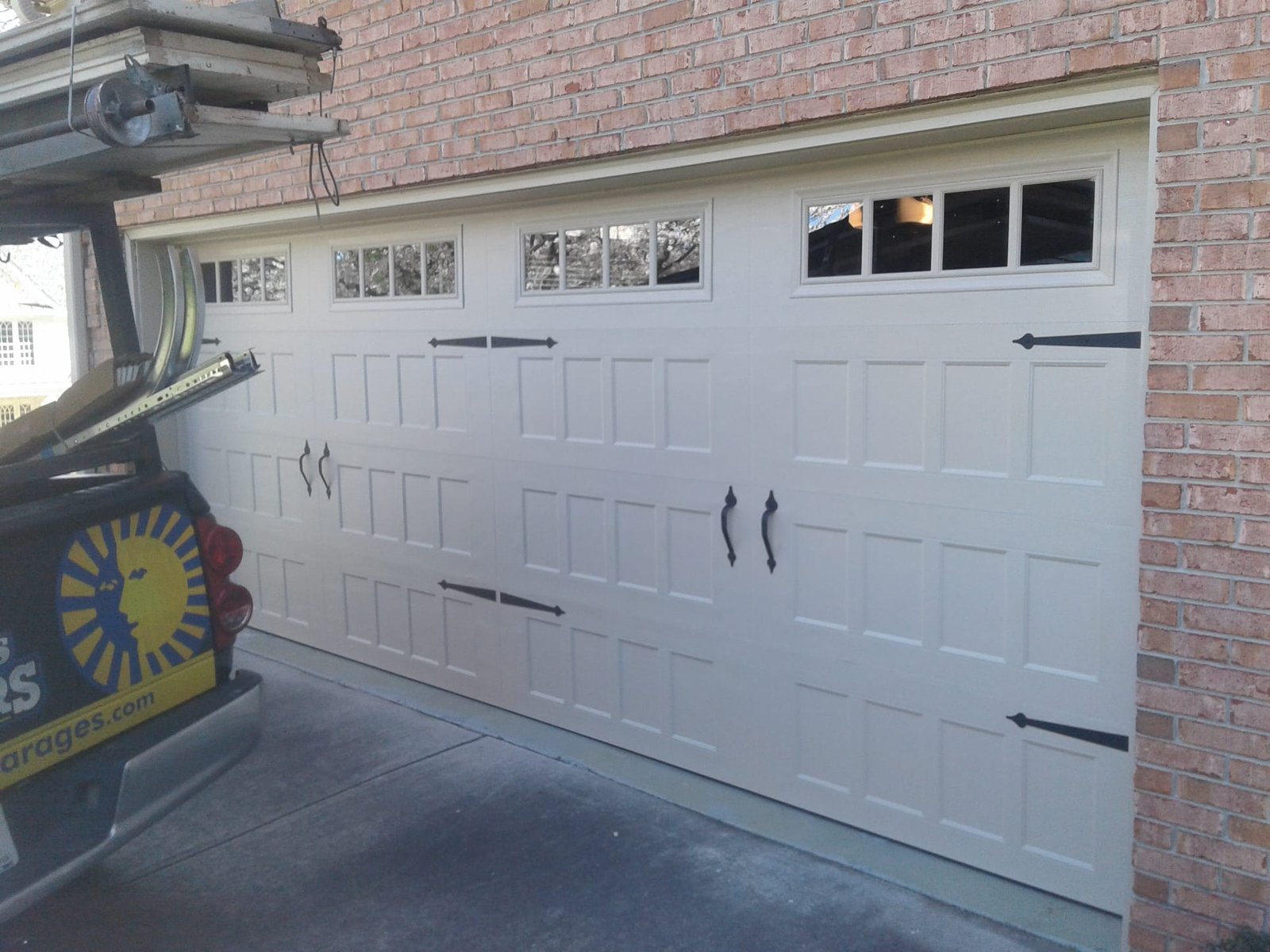
Schedule a professional garage door tune-up once a year and do a visual check and opener safety tests each month. A technician checks door balance, worn hardware and the opener’s safety systems so you know what needs attention.
When the door still opens, it’s easy to put a new scrape or rattle down to age. Pay attention to where the sound starts and whether the door changes direction, slows down or moves unevenly at that spot. Those details help a technician tell whether the door is binding in its tracks or the opener is having trouble moving it.
How often to schedule garage door maintenance
Use a year as your starting point for a residential door that runs smoothly. The Door & Access Systems Manufacturers Association (DASMA) recommends monthly safety checks and an annual visit from a trained door technician. Check the manuals for your door and opener for model-specific care and test instructions.
| Your garage door | When to act | What to do |
|---|---|---|
| It runs smoothly with ordinary household use | Once a year | Book a professional tune-up. Set a reminder from the date of your last visit. |
| The garage is your main entrance and the door opens and closes many times a day | Consider every 6 months | Ask whether a shorter interval makes sense for that door. If you have more than one door, describe how each one is used. |
| It develops a new rattle but still moves smoothly and passes its safety tests | Arrange a visit before the next scheduled tune-up | Note where the sound comes from and whether it happens on the way up or down. |
| It binds, moves unevenly, has visible damage or fails a safety test | Stop using it and arrange service | Tell the technician where the door stopped and what you saw. Keep people clear of the opening. |
The 6-month interval is All Four Seasons’ recommendation to consider for heavily used doors. Think about a two-door garage where one bay handles the work commute and the other stores lawn equipment. Both doors have the same install date, but their operating histories are different. Tell the technician which one gets the daily trips.
If you’ve just moved in and have no service record, start with the condition of the door. An inspection gives you a record to work from. Let the technician know if you already see a frayed cable or have noticed the door catching. That changes the visit from routine upkeep to diagnosis.
What a professional garage door tune-up checks
A technician checks the door’s condition, evaluates how it moves by hand, then checks how the opener moves it and responds to an obstruction. The exact sequence depends on what they find. If there’s visible damage, that needs to be evaluated before the door runs through a full cycle.
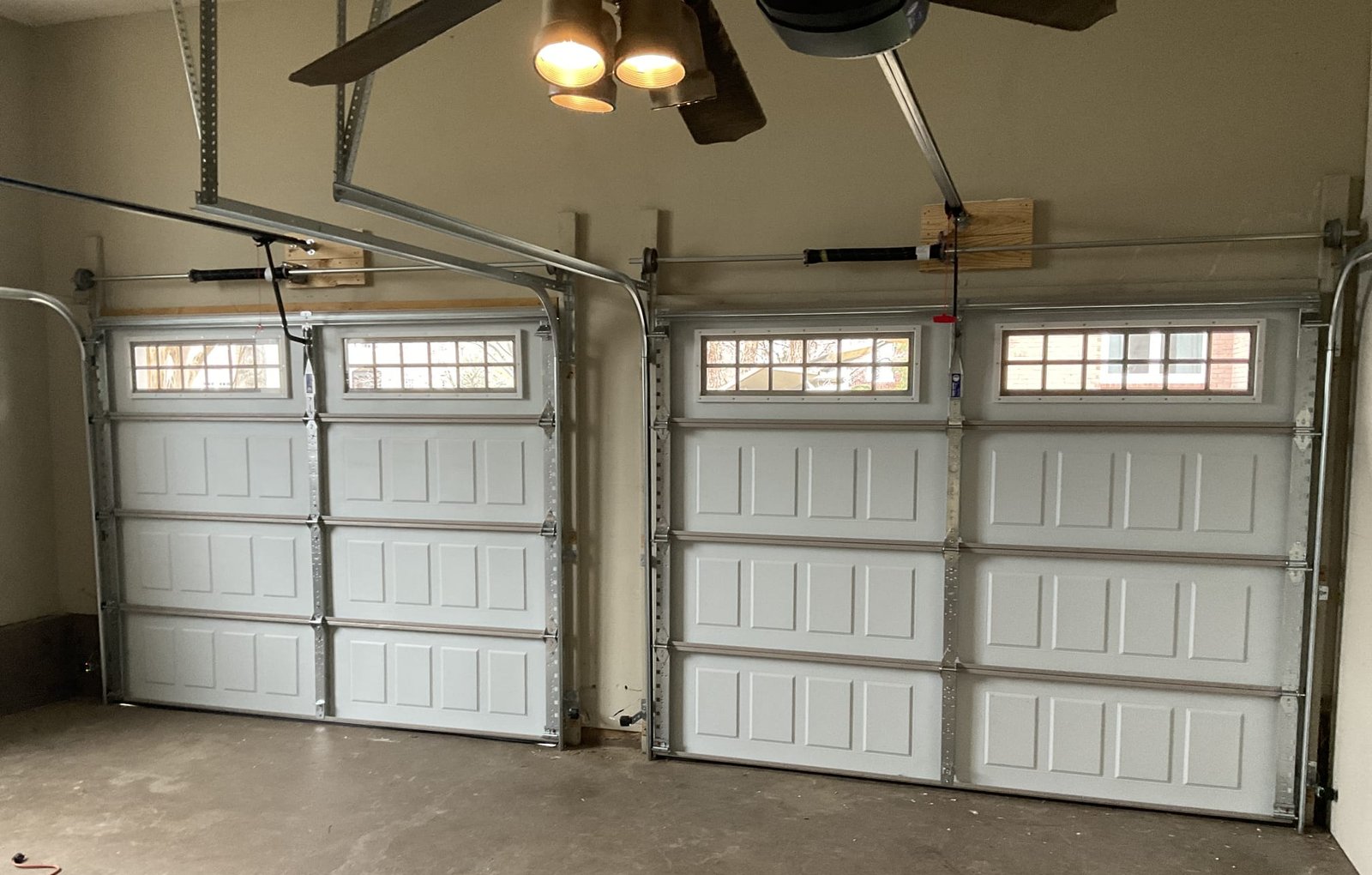
1. Springs, cables and balance
The spring system counterbalances the weight of the door. Lift cables transfer that load to the bottom corners. On a torsion system, the technician looks at how the cables sit in the grooves of the drums above the opening and checks for broken strands, kinks or uneven winding. If the door uses extension springs, a technician can also check that the springs have safety cables running through them to contain the springs if they break.
With the door and hardware in sound condition, the technician starts with the door closed and disconnects the opener to assess how the door moves by hand. A balanced door lifts smoothly and stays near the test position described in the manual. If it feels unusually heavy or moves on its own, the technician checks the spring system and looks for binding. The opener moves the door during normal use, so a balance check with the opener disconnected tells you something a powered test alone can miss.
Ask what the balance was like before any adjustment and what the technician found that explained it. If the door feels heavy, see why a garage door gets hard to lift for the likely causes.
2. Rollers, tracks, hinges and panels
The technician follows the door’s path from the vertical tracks through the curves overhead. A roller should travel freely in its track. A worn wheel, a bent track or a hinge pulling away from a section deserves a closer look. The technician inspects the hardware and the surrounding panel, since a loose-looking hinge and damage where it attaches call for different work.
Where hardware is sound, the technician can secure loose fasteners and lubricate the points called for by the door manufacturer. The wheel runs in a clean track, while the roller’s bearing or stem is the part that takes lubricant on some designs. A door that still rubs at the same point in its travel needs its rollers and track checked for wear or alignment. Read about garage door roller wear if a wheel looks chipped or wobbles in the track.
3. The opener and both ways it reverses
After checking the door’s movement, the technician can inspect the opener mounts and the linkage that connects the opener to the door. On a ceiling-mounted opener, that includes the rail, the trolley that rides on it and the arm that joins it to the door. If travel or force needs adjustment, the technician follows the instructions for that model and retests reversal afterward. Increasing force to push through a door that binds leaves the underlying problem in place.
Two safety checks answer different questions. The photo-eyes near the floor check whether something has broken the beam across the opening. The contact reversal test checks what the opener does when the closing door touches an obstruction. Passing the beam test tells you the beam works. The contact test checks the door’s response after contact. Ask for the result of each one.
If the door only refuses to close from time to time, describe exactly what the opener did. Note any blinking light or arrow pattern without running another cycle to reproduce it. Our guide to garage door sensor problems explains what to look for around the photo-eyes.
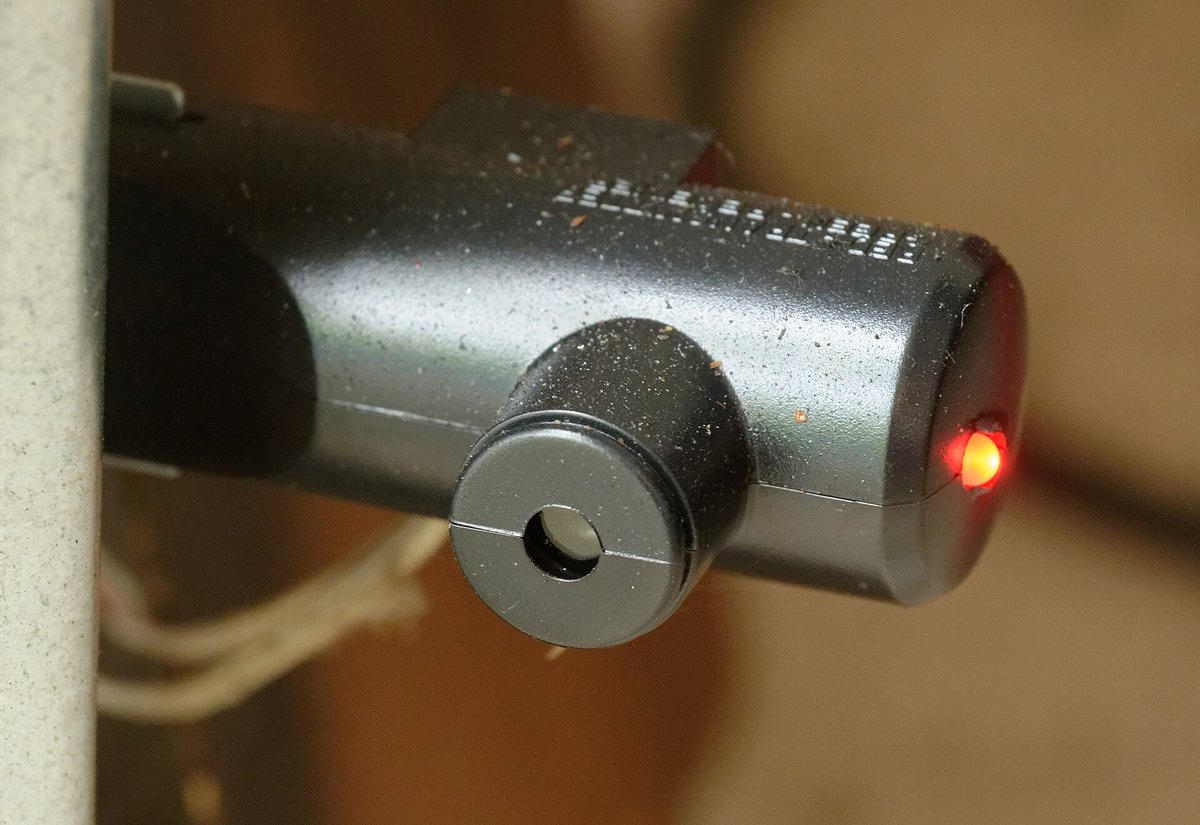
Photo by Jud McCranie, resized. Wikimedia Commons · CC BY-SA 4.0

4. The bottom seal and how the door meets the floor
With the door fully closed, a technician looks at where the bottom seal meets the floor. Brittle rubber, a tear or a section pulling out of its retainer can leave a gap. A gap along an otherwise level door calls for a look at the seal and the floor. When one corner of the door itself sits higher or the door travels crooked, the technician checks how the door is hanging before recommending work on the seal.
Tell the technician where you see daylight or water, even if the floor is dry at the appointment. If it’s a seal issue, garage door weather seal replacement explains that repair. If you’re seeing water farther inside, show where it starts so the technician can inspect the right part of the opening.
What a tune-up can catch before a breakdown
An inspection can find visible wear and changes in how the door runs. Ask the technician to point out the wear or show you the test result behind any repair they recommend. A record of what was checked also gives you something to compare against if the door starts acting differently between visits.
| Finding | Why it matters | What to do next |
|---|---|---|
| Broken strands on a lift cable | A worn cable is in danger of breaking under load. | Stop using the door. Leave the cable and bottom bracket to a technician. |
| A roller binds at the same place on each pass | The wheel or track needs inspection. Wear or a bend can interfere with travel. | Stop running the door if it binds. Tell the technician where it catches. |
| The door drifts in a manual balance check | An out-of-balance door adds strain to the opener and door hardware. | Have the technician check the spring system and the door’s movement. |
| The opener reverses when the beam is blocked but fails the contact test | The beam is working, but the door is failing the separate test for contact with an obstruction. | Stop using the opener and arrange service before returning it to use. |
| The seal is split and daylight shows under a straight door | The seal has lost contact in that spot. | Show the technician the gap and ask whether the seal needs replacement. |
Findings can look similar from the driveway. A door that reverses before reaching the floor can have a blocked sensor beam or a problem with its movement. Seeing the opener reverse once doesn’t tell you which of its safety checks will pass. Likewise, new garage door noises can come from different points in the system. A steady sound at the motor and a scrape beside one track give the technician different places to start.
A damaged cable or a door hanging crooked changes the plan immediately. Leave it where it is, keep people away and skip the opener and manual release. If the door is stuck open or unsafe to leave as it is, follow our garage door emergency guide. If you saw broken strands, tell the technician which side you saw them on and read what a frayed garage door cable means.
How to describe a problem that comes and goes
Suppose the door starts down, then reverses with its bottom edge still well above the slab. Note whether a box or bin was near the sensor path and whether you saw an indicator light change. If the bottom edge touches the slab before the door opens again, write that down instead. The second pattern gives the technician a reason to check how the opener ends its downward travel as well as how the door meets the floor. In either case, the timing of the reversal is more informative than saying it happened “near the bottom.”
For a scrape, note the side and how far the door had moved when you first heard it. If the sound started after a vehicle bumped the door, mention the impact even if the panel looks nearly straight. The technician can look at the nearby track, rollers and panel connections together. Get these details from what you’ve already seen. If you suspect damage or the door is binding or moving unevenly, leave it where it is.
What you can do between visits
Set aside time each month to look at the closed door from the floor. Look along the sides for a loose cable, a wheel out of its track or a bent section. If you see damage or the door sits crooked, leave it still and call. If the door looks sound, watch a normal pass from a clear spot. Watch whether the bottom edge stays level and whether the door starts to catch in the same place.
Use your opener manual for the monthly photo-eye and contact reversal tests. Keep the opening clear of people and pets, keep the door in sight and stay out of its path. Stop using the opener if either test fails. The garage door maintenance checklist has the step-by-step routine.
| You can do this from a safe position | Leave this to the technician |
|---|---|
| Look for fraying, visible damage or movement that has changed. | Inspect and adjust springs, drums, lift cables and bottom brackets. |
| Remove objects blocking the sensor beam and wipe the lenses with a soft cloth while the door is stopped. | Diagnose a safety test that fails or an opener that needs travel or force adjustment. |
| Sweep leaves and grit from the floor where the bottom seal rests, with the door closed. | Check or correct a binding track, damaged roller or loose mount. |
| Follow the manual for exterior cleaning and record the date of the last safety check. | Investigate why a section is sagging or why the door moves crooked. |
Keep the door and opener manuals together. They cover different equipment and can give different care instructions. For example, Amarr calls for a non-silicone lubricant on the listed moving parts of its steel doors, while Chamberlain’s general guidance is to follow the instructions for your specific door and opener and keep lubricant off the tracks. Read your own door’s instructions before applying a product, and leave anything under spring tension to the technician.
If you see a blinking opener light or get a battery warning, make a note of the model and the indicator you saw. Follow the unit’s instructions for a backup battery check if it has one. Our garage door opener maintenance guide covers the differences between opener types and which maintenance instructions apply to each.
What to ask before the technician leaves
- What did you find, and where? Ask the technician to point to the part from a safe spot. If the door binds, ask where in its travel it happens. If the issue is with a safety test, ask which test failed.
- What needs work before I use the door again? Ask which findings affect safe operation and which can be watched. A worn bottom seal and a frayed lift cable have different consequences.
- What did you adjust, and what passed afterward? Ask how the door balanced and whether the photo-eye and contact tests both passed. If a part still needs repair, ask whether to leave the door and opener out of use.
- When should I book the next visit? Give the technician a sense of daily use and mention any changes you expect, such as starting to use a second bay every day. Save the date and the findings with the manuals.
Before the visit, write down which door is affected, the last time it worked normally and whether the symptom occurs as it opens or closes. If the opener shows a code you can see from the floor, include it. One note with those details is enough to start. Leave a malfunctioning door still while you wait.
Keep a short record afterward, especially if you have two doors that look alike. “Left bay, balance and both reversal tests passed, split seal at the driveway edge” tells you more at the next visit than “tune-up done.” If the technician asks you to watch a specific area, ask what change warrants a call. Save that answer with the date so everyone who uses the garage knows what to watch for.
Schedule a tune-up in Metro Atlanta
All Four Seasons has been family-owned since 1999. If your door is due for its yearly check or something about its movement has changed, call (678) 271-8918 or see what’s included in our professional garage door tune-up. If the technician finds a repair you need, you’ll get a written price before the work starts.
Frequently asked questions
Do I need a tune-up if the door sounds fine?
An annual check still makes sense. The door can sound normal while a cable shows early wear or the contact reversal fails. A tune-up gives you the results of the balance and safety tests as well as a look at the hardware.
Does a tune-up include replacing worn parts?
The All Four Seasons tune-up covers inspection, lubrication, hardware checks, balance and safety testing. Ask what the technician found and what needs separate repair. You’ll get a written price before repair work begins.
Is a tune-up enough for a garage door that’s already sticking?
Tell the scheduler the door is sticking and stop using it. It needs diagnosis before routine adjustments or testing. Share where in the door’s travel it happened and whether the movement looked uneven.
Do I need a tune-up after replacing the opener?
Keep the door’s maintenance schedule and ask which door checks the installer completed. The spring system, cables and rollers still need inspection even with a new motor. Record the balance and reversal results if the installer checked them.
How do I maintain a garage door without an opener?
The spring system, cables, hinges, rollers and tracks still need attention. Follow the door manufacturer’s schedule for checks and have a technician look at any binding or uneven movement. The opener reversal tests apply to doors equipped with an automatic opener.
Should I wait until spring to book service?
If the door is working smoothly, pick an annual date you’ll remember. If you see hardware damage, the door sticks or an opener safety test fails, stop using the affected equipment and arrange service when you discover it.