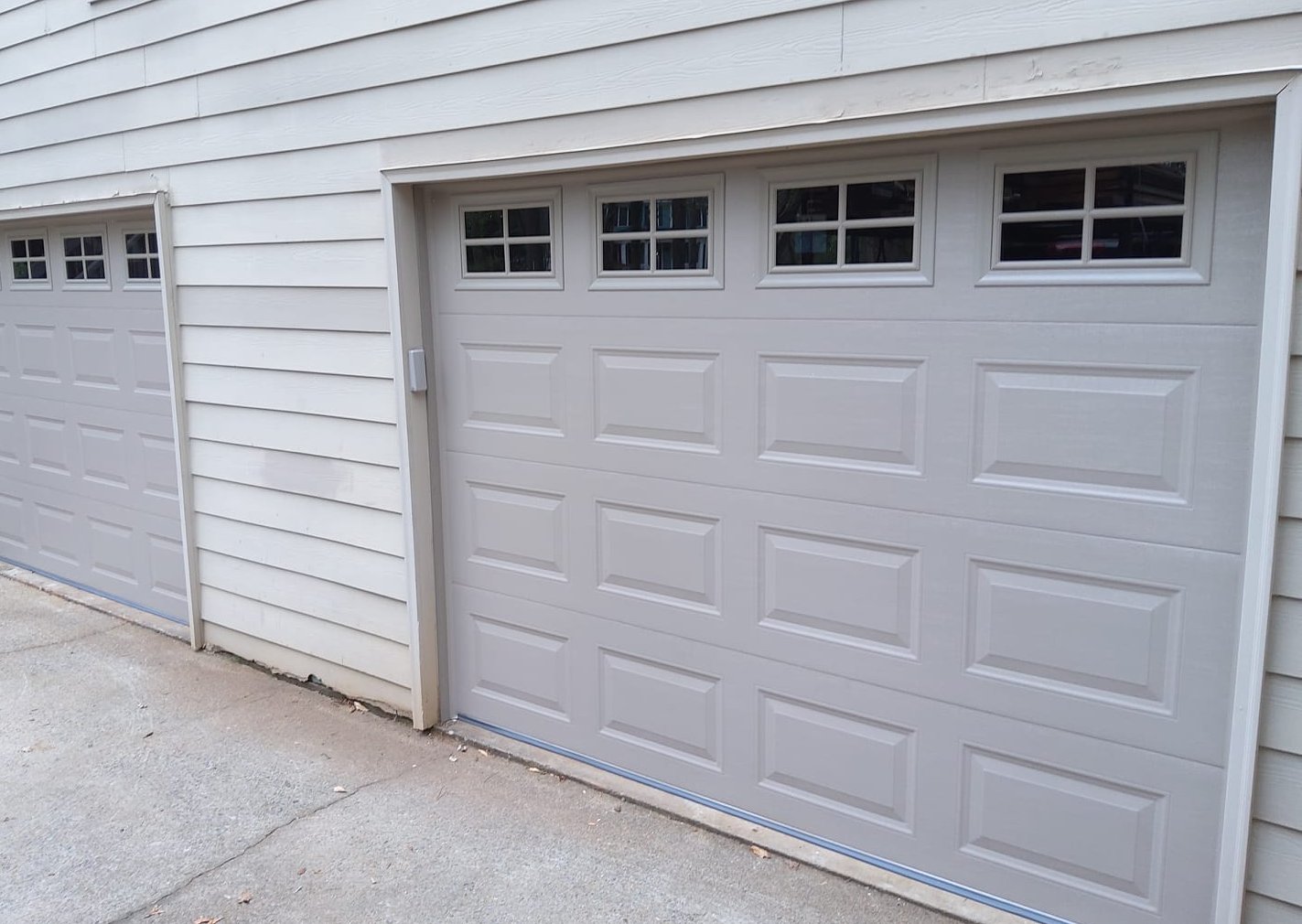
Close the garage door in daylight and look for gaps at the floor, sides and top. Repair worn seals, close holes around pipes and store pet food in tight-lidded containers. If the door closes crooked, have a technician check it.
Mice can squeeze through an opening about ¼ inch wide, roughly the width of a pencil, according to the CDC's rodent exclusion guide. Adult rats can get through gaps about ½ inch wide, and younger rats need less space, according to NC State Extension's rat guide. Some insects fit through gaps as narrow as 1/16 inch, according to Illinois Extension's pest-proofing guide.
Where pests get in
Start where the overhead door meets the concrete, especially at the bottom corners. Then follow the opening up both sides and across the top. With an attached garage, check the door into the house as well as the openings that lead in from outside.
| Where to look | What to look for | Which fix to consider |
|---|---|---|
| Under the overhead door | A strip that's split, flattened, stiff or too short to reach a corner | A bottom seal that fits the existing channel and reaches both ends |
| The retainer, which holds the bottom seal | A pinched end, bent channel or section where the seal has pulled free | Inspect the channel before ordering a new seal. Have damaged hardware checked |
| The concrete below the door | A gap over a shallow dip while the door itself closes evenly | A compatible bottom seal or a floor-mounted threshold for a sound slab |
| Both sides and the top of the opening | A split or curled sealing flap, a strip that misses the door, or gaps where the strips meet | Side and top weatherstripping on the frame |
| Around pipes, cables and the wall base | Open space around penetrations, broken screen or cracks beside the foundation | Reinforce and seal fixed gaps with material suited to the opening |
| At the door from the garage into the house | A worn sweep, gaps at the frame or a door that fails to latch | Compatible weatherstripping or sweep, with the door's safety features intact |
Do the daylight test
Use a bright part of the day, with the overhead door operating normally. If it already hangs at an angle, binds, or has a loose cable, leave it where it is and call a garage door technician. You can still photograph the gap from a safe distance and check the rest of the garage.
- Close the door from the wall control. Stand clear and make sure everyone, including pets, is clear of the opening. Once the door has stopped, turn off the garage lights. Keep another exit available.
- Look low from inside. From clear of the opening, scan the bottom from one corner to the other. A bright spot at one end calls for a close look at where the bottom seal meets the side strip. A narrow line across much of the opening calls for a look at the seal's condition and contact with the floor.
- Scan the sides and top. Look past the light coming through any door windows. You're looking for light at the edges of the door, including the upper corners where the side strips meet the strip across the header.
- Mark and compare the gaps. Take a photo or put painter's tape on a fixed surface near each gap. On a door that closes smoothly, note whether the bottom edge and panel seams sit square to the opening. Check the concrete for a dip or a raised spot under the gap. Compare the corners from outside with the door still closed.
- Check the rest of the room. When you turn the lights back on, take a flashlight around pipe openings, window frames and the door into the house. Look for damaged material, torn screens or droppings near stored food. The daylight test finds openings with light behind them. A gap into a dark wall cavity takes a visual inspection.
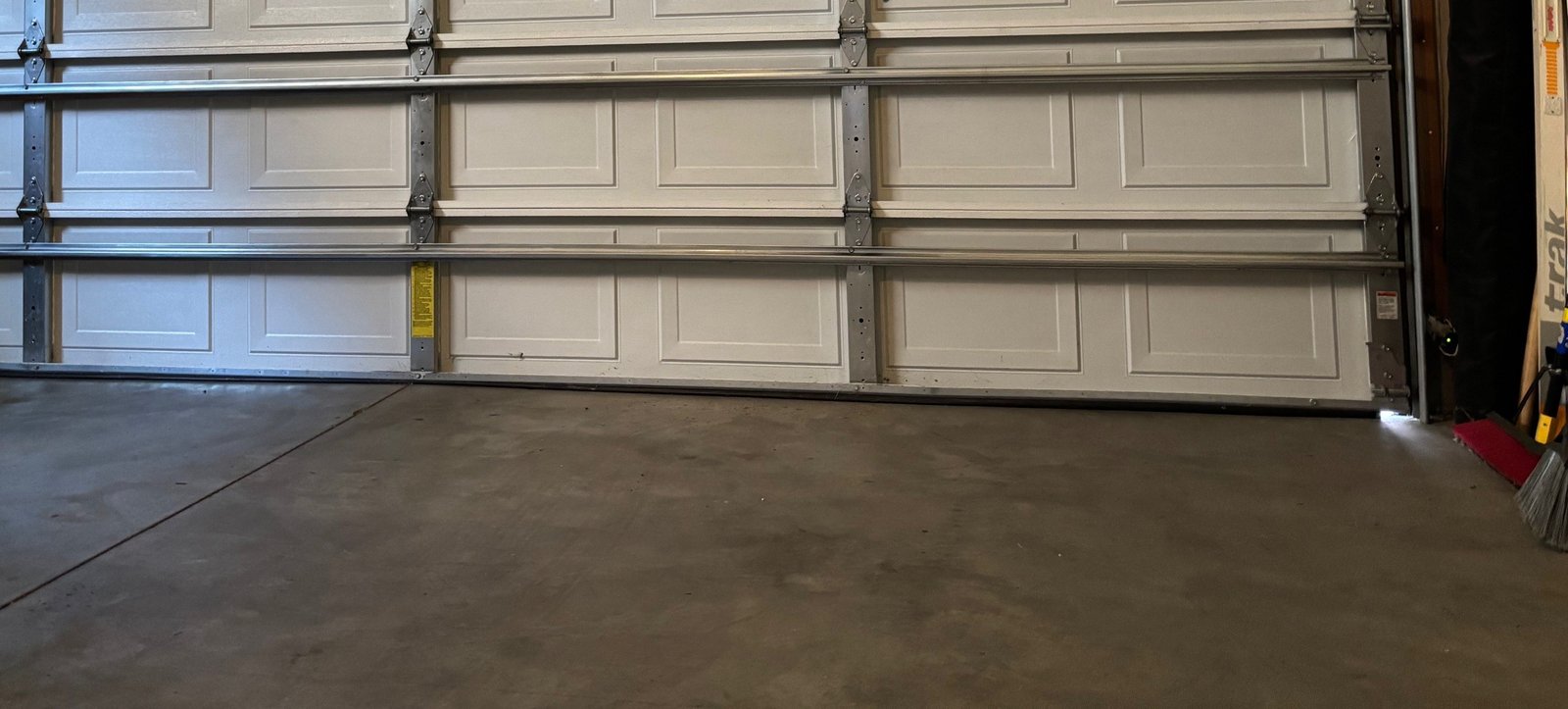
Photo: PNNL, courtesy of the U.S. Department of Energy's Building America Solution Center. Cropped.
Notice how the bright spot in the photo is concentrated at the corner. Before buying a thicker seal for a gap like that, look at the end of the existing seal. A strip that stops short needs a different fix from one that reaches the corner but hangs over a low spot in the concrete. Both are worth distinguishing from a door that has started closing out of square.
Match the seal to the gap
Start with the bottom seal and retainer
The bottom seal is the flexible strip attached to the moving door. It presses against the floor as the door closes. If it has split, hardened, or stayed flat after being compressed, look at the strip and the piece that holds it before ordering a replacement. On many steel doors that piece is an aluminum retainer with grooves for the edges of the seal.
With the door closed and still, take a picture of the end profile if you can see it safely. Note the door make and model and the full width of the opening. Clopay shows several seal styles, including inserts that slide into a retainer. Check the door manufacturer's parts list for the profile and size the channel takes. An older wood door can use a fastened strip instead.
If the seal is intact but pulls loose in one spot, look for a crushed or bent section of its channel. A replacement insert needs an intact channel to hold it. Have a technician look at a loose or damaged retainer, especially if the work involves the hardware at the bottom corners. The bottom brackets are attached to the lift cables and are under spring tension. Leave those brackets and their fasteners alone.
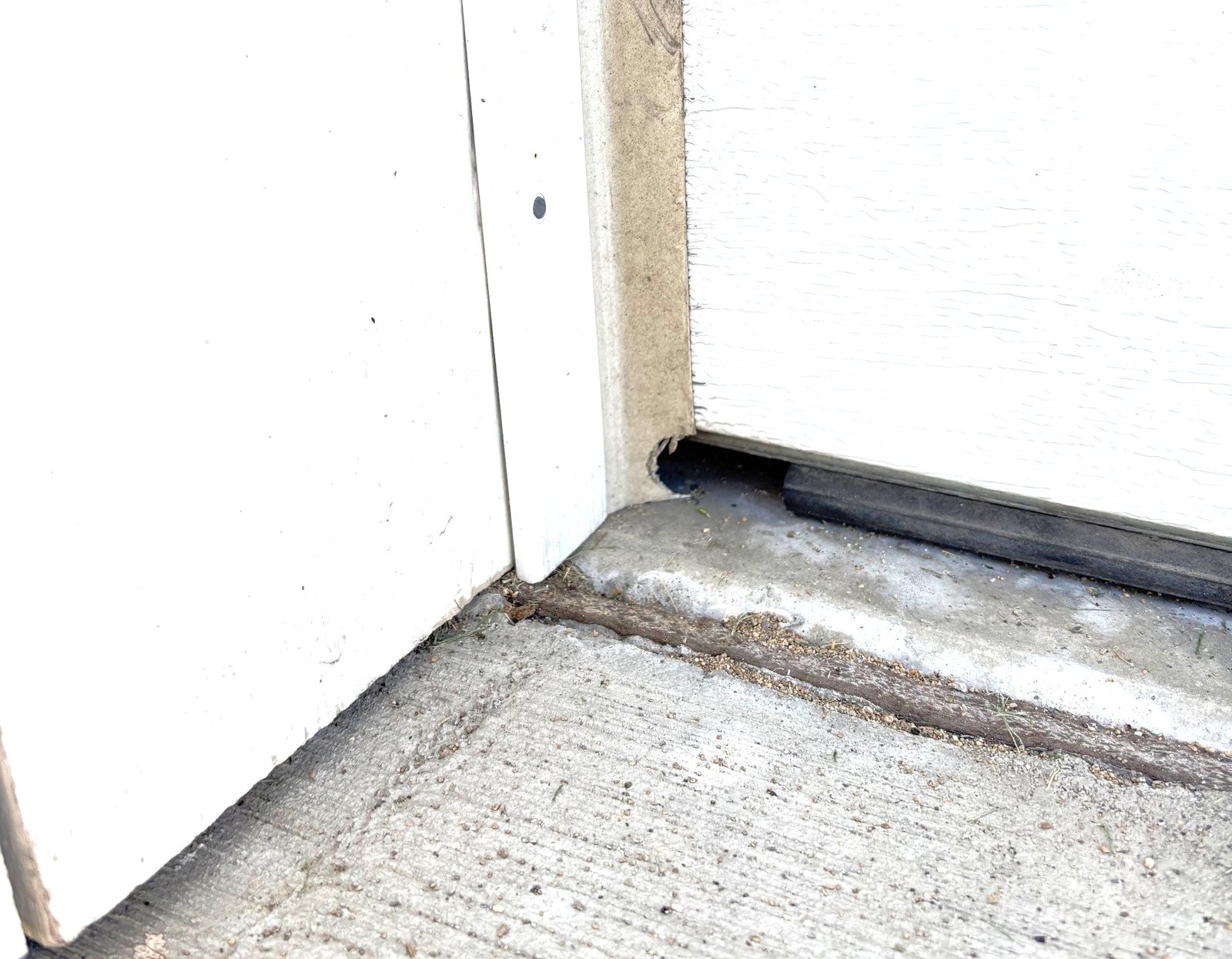
Photo: PNNL, courtesy of the U.S. Department of Energy's Building America Solution Center.
The close-up shows how a gap can remain even when most of the strip reaches the concrete. Measure for the full width and check both ends after the replacement goes in. If the new strip would need to be squeezed hard at one end just to touch the floor at the other, look at the floor and the door alignment before going ahead.
Consider a threshold when the floor is uneven
A threshold seal is a raised strip bonded to the concrete. It stays on the floor as the door opens. It can give an otherwise straight-closing door a surface to seal against over a shallow dip. Check the gap at the center and both ends. Use the threshold manufacturer's sizing instructions and check that the material and adhesive suit your floor. GaraDry, for example, calls for a clean, sound surface and gives special preparation instructions for powdery concrete and smooth coatings.
Dry-fit it before bonding it. Follow the kit directions for placement against the door, then confirm the door still closes fully. Look at the corners again before gluing it down. If the slab is crumbling, has shifted substantially, or the door no longer comes down square, get the underlying issue assessed first. A strip that's too tall can interfere with closing. If normal operation changes, stop and have the fit checked. Follow your opener manual for the safety-reverse test before returning the door to regular use.
Close gaps along the sides and top
The perimeter weatherstrip attaches to the frame. Its flexible lip should meet the face of the closed door along both sides and across the top. Look for daylight where the pieces join, a lip that has curled away, or a section pulled loose from the frame. At the lower corners, look at how the side strips and the bottom seal meet. A new bottom strip can still leave a route around its end.
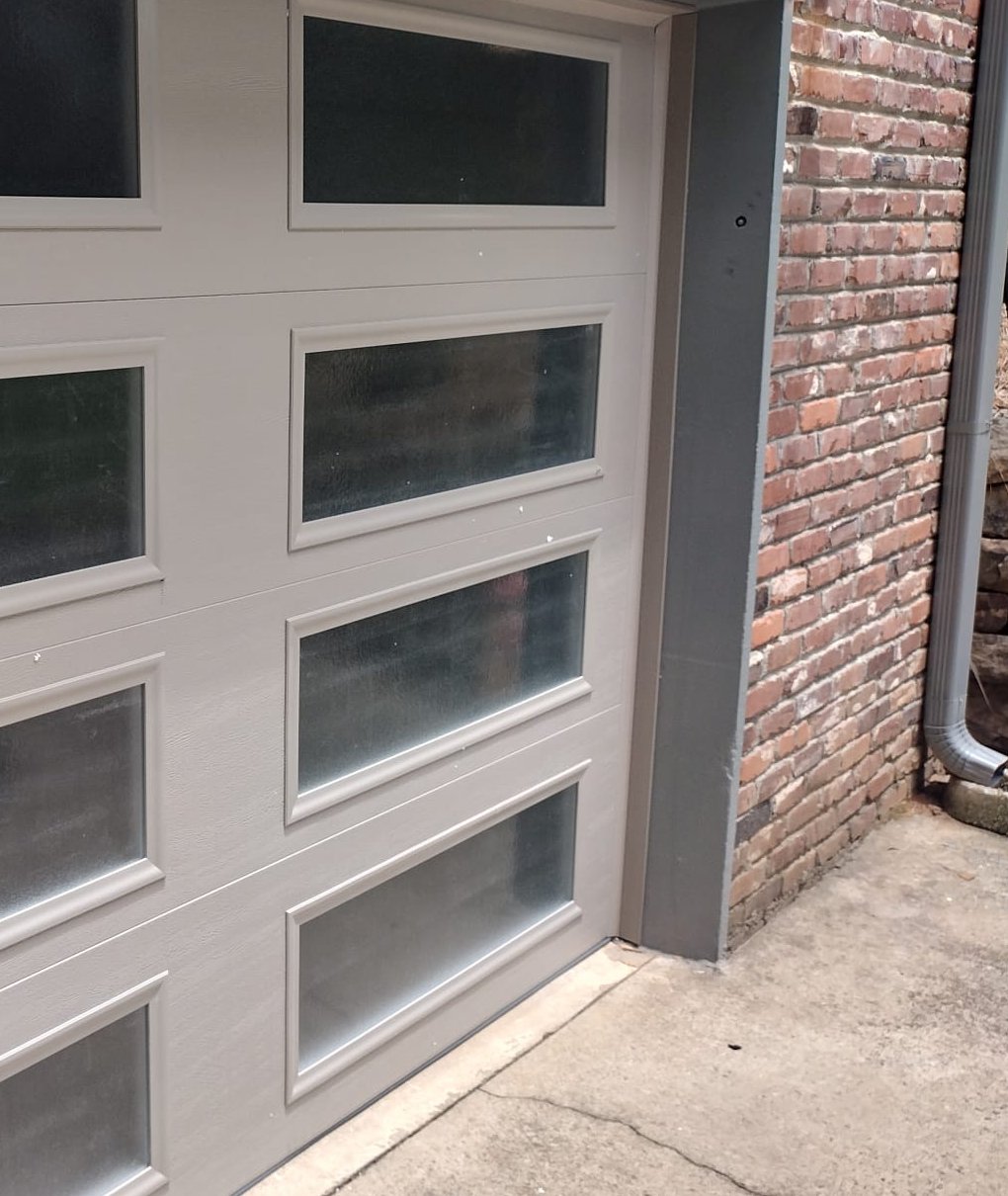
For profiles, measurements and fastening steps, use our garage door weatherstripping installation guide. If the garage also feels too hot or cold, see our guide to garage door insulation for panel insulation and retrofit options. Closing gaps at the edges is a separate job from insulating the panels.
Check pipes, walls and the door into the house
Walk the garage from the driveway toward the house. Check where the hose bib, plumbing, cable service or air-conditioning lines pass through the wall. Look inside and outside where you can reach safely. Check the joint along the wall base, window frames and any exterior side door. Take a photo of a hole before you fill it so you know where to look if signs return.
For small, ordinary holes in fixed surfaces, the CDC recommends steel wool held in place with caulk or foam. For larger openings, it lists materials such as metal mesh, sheet metal or cement. The University of California's pest management program advises against using foam by itself where mice have been getting in because they can gnaw through it. Match the repair to the surface and the purpose of the opening. If you're unsure whether something is a working vent or part of the wall separating an attached garage from the house, have the opening assessed before filling it.
At the door into the house, check the sweep at the bottom and the weatherstripping where the door meets the frame. Close it normally and confirm it latches. Match replacement parts to the door and keep any self-closing hardware working. If the door won't latch or the frame needs repair, have that checked before modifying the door or adding a sweep that interferes with closing.
Remove the food, water and hiding places
Even a garage with new seals has an open entrance every time you pull in. Keep the overhead and side doors closed when you're done using them, and make the space less inviting in between.
- Store feed in containers that close tightly. Put dog food, birdseed and other feed in thick plastic or metal containers with tight lids. Sweep up ordinary spilled feed and put pet bowls away after use. If you see rodent waste, follow the cleanup steps below before clearing the area.
- Close the trash lid and check for water. Keep trash in a sound container and clean spills around it. Check for drips under a utility sink or hose connection and empty containers that collect standing water. The EPA's pest prevention guide puts food, water and shelter at the center of prevention.
- Keep the edges of the garage visible. Store items you want to keep in lidded bins and lift them off the floor on shelves. Clear spare cardboard and paper that rodents can use for nesting. Leave enough room to see along the wall base and behind the feed bin.
- Clear cover near the garage. Move stacked firewood and brush away from the wall and clear piles of leaves or debris beside the door. UGA Cooperative Extension points to brush as cover for rodents and snakes. Reducing rodent activity also reduces a food source for snakes. See UGA's advice on reducing snakes around your home.
If ants or other crawling insects are showing up at one corner, start by checking the seal there and clearing nearby food and moisture. If the insects keep appearing around a window, inspect the screen and frame too. The garage door is one part of the inspection. Repeat the daylight check after repairs and include the seals in your garage door maintenance checklist.
If pests are already inside
Chewed bags, droppings and shredded nesting material are signs of rodent activity. Seal entry points and deal with the rodents still inside. The CDC recommends snap traps sized for the animal, used according to their instructions and kept away from children and pets. It advises against glue traps and live traps. Check traps daily, and if fresh signs continue or you can't reach the affected area, call a pest control professional. See the CDC's rodent trapping guide.
Leave the broom and vacuum put away when you find droppings or nesting material. Open exterior doors and windows you can operate safely, then stay out of the garage for 30 minutes while it airs out. Wear rubber or plastic gloves. Soak droppings with disinfectant, let it sit for 5 minutes or as directed on the label, then wipe them up. The CDC's rodent cleanup instructions cover the full procedure, including how to bag nesting material and what to do when contamination is heavy.
If you find a snake in the garage, give it room, keep people and pets away, and leave it alone. Call a wildlife removal professional if it stays in an area people need to use. Find one through the Georgia DNR directory of wildlife removal specialists.
When the door needs a technician
A worn seal on a door that runs smoothly is a reasonable DIY project if the manufacturer allows it and you can do the work without disturbing the lift hardware. Checking for daylight, documenting gaps, and sealing suitable holes in the wall are jobs you can do from a safe place. The work changes when the door is crooked or damaged.
| What you see | What to do |
|---|---|
| The door runs evenly and the strip is torn or stops short | Identify the right seal and check whether the retainer can hold it |
| The door shuts square and the gap lines up with a low spot in sound concrete | Check the fit of a compatible bottom seal or floor threshold |
| One side starts landing before the other, or the door suddenly binds | Stop operating it and have a technician inspect the door |
| A cable is loose or frayed, a roller is out of its track, or a bottom bracket is damaged | Keep people clear and leave the repair to a technician |
A door that has started closing unevenly needs a check of its alignment and lift hardware. A wider seal can't correct how the door moves. Don't adjust springs or cables, loosen bottom brackets, or turn up the opener force to make the door close. See what to do if your garage door is off track or you spot a frayed or broken lift cable.
When you call, tell us where the light shows, whether the gap appeared suddenly, and whether the door still closes square. All Four Seasons is family-owned since 1999. See our garage door weather seal service, call (678) 271-8918, or book a garage door visit. For other door problems in the area, see our Woodstock garage door repair service.
Frequently asked questions
How small a gap can a mouse get through?
The CDC says an opening about ¼ inch wide is enough for a mouse. Check both bottom corners, the ends of the seal and the holes around pipes. Insects can enter smaller gaps, so close the openings you find even if they look too small for mice.
Can mice chew through a garage door seal?
Yes. Mice can gnaw flexible materials such as rubber or vinyl, especially where they can reach an edge. A tight-fitting bottom seal closes the opening. If new seals keep getting chewed, have a pest professional assess the entry route and ask your door technician about a compatible reinforced seal.
Why is there daylight at only one garage door corner?
Start by checking whether the seal ends short, has come out of its channel, or crosses a dip in the slab. If that side of the door recently started landing higher than the other, or the door binds, leave the door alone and have a technician look at the hardware.
Can I use spray foam around the garage door?
Use materials suited to a fixed wall opening. Where mice are using a small hole around a pipe, the CDC recommends steel wool secured with caulk or foam. For a gap between the overhead door and its frame, use compatible weatherstripping that lets the door move.
Do I need a bottom seal or a threshold seal?
Start with the bottom seal if the existing one is torn, flattened or too short. A floor threshold is an option if a working door closes square but a shallow dip still leaves a gap. Follow the threshold maker's instructions to check clearance and floor suitability.
Will sealing the garage door keep snakes out?
A tight seal closes one route. Also check gaps at other doors, windows and wall openings. Clear brush and debris near the garage and deal with any mice or rats, which can draw snakes looking for food.
How do I know if mice are still getting in?
After you've cleaned up safely, look for fresh droppings, new chewing or catches in traps. Those signs tell you rodents are still active. Recheck your marked gaps and the places you store feed. If activity continues after sealing and trapping, contact a pest control professional.