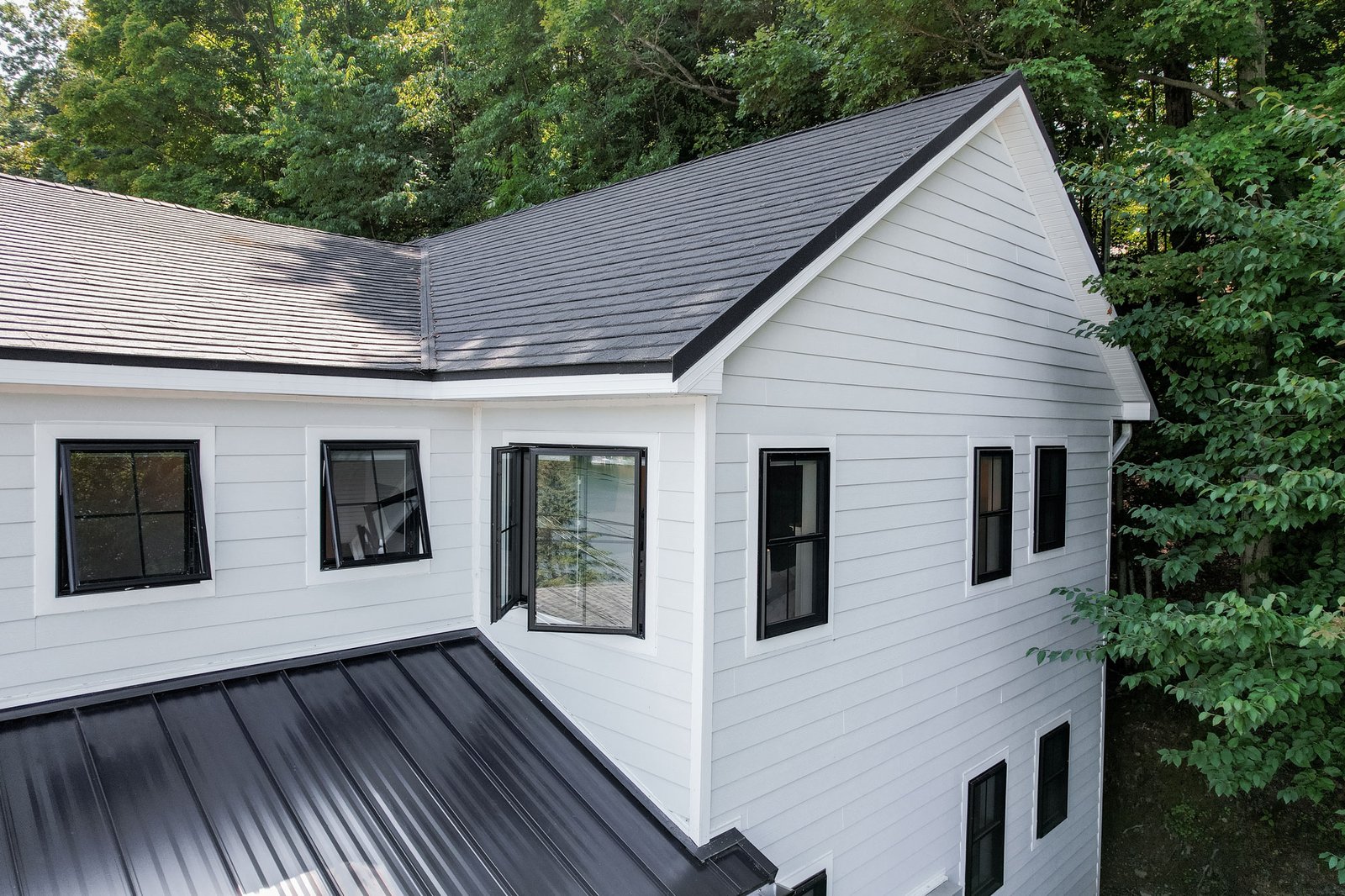
Before window installation, clear a path to every opening, take down window coverings, and make a plan for alarms, kids and pets. In metro Atlanta, choose an installation date with your crew based on access, the forecast and sealant requirements.
Start with the checklist below, then walk through the house with the installer when the crew arrives. The details worth settling in advance are which rooms go first, what needs to be moved, and who handles finish work and cleanup.
Your window replacement checklist
| When | What to do | What to confirm with the crew |
|---|---|---|
| When you book | List the windows by room and note anything unusual about access. | Which openings are in scope, whether the work is inside, outside or both, and the estimated length of the job. |
| A few days before | Plan where kids and pets will spend the day. Call your alarm company about contacts on the windows. | Arrival, parking, work order by room and the plan if the weather changes. |
| The day before | Remove window coverings, clear indoor routes and move outdoor furniture and planters. | How much space to clear and who will protect floors and furnishings. |
| When the crew arrives | Show the crew the openings, tell them about tricky access, and share a number where they can reach you. | Who can approve changes and which rooms will be available as work progresses. |
| Before the crew leaves | Open, close and lock each operable window with the installer. | Any follow-up work, care instructions and when to reinstall coverings. |
If you're still deciding which openings belong in the project, start with signs your windows are due for replacement. Energy-efficient windows can make rooms more comfortable, especially where you're dealing with old, drafty units. Start your room list with the openings causing problems and use that list at the estimate and on installation day. When you're ready to compare styles, frames and glass, see how to choose your replacement windows room by room.
Confirm the scope before installation day
When you discuss window replacement options, ask which openings will get insert replacements and which will get full-frame replacements. An insert fits inside a sound existing frame and usually lets you keep the surrounding trim. A full-frame replacement takes out the old frame and reaches the rough opening, the opening in the wall that holds the window. Ask what that means for the trim, siding and wall finish at each opening. The exact work depends on the product and how the old window was installed.
Walk around the house with your room list. Flag a steep side yard, a second-floor window above a porch roof, or a kitchen window that the installers can reach only over a deep counter. Mention large or projecting units if you're replacing specialty windows. The crew can tell you which side they'll work from, how they'll bring the units in and where they need room for equipment.
Go over finish work in the written scope. Ask who is handling interior casing, exterior trim, paint or stain, and old-window removal and haul-away. If you're keeping a window, a set of shutters or hardware, say so before removal starts. Tell the crew about any water stains or soft wood you've noticed so they know where to take a closer look. Ask who will contact you if removal exposes damage and a decision is needed.
If your home was built before 1978, bring up lead-safe work before you move anything near the old openings. The U.S. Environmental Protection Agency says window replacement can release hazardous dust when it disturbs lead-based paint. Ask your installer how they'll follow the applicable lead-safe requirements, which areas they need to contain and when your household can use those rooms again.
Clear indoor access and protect furnishings
Start at the door the crew will use and follow the route to each window. Move shoes, baskets, floor lamps, small rugs and anything that narrows the hall or stairs. Then clear the area right in front of each opening. Ask the installer how much space to leave. The answer depends on how the unit comes in, how it will be handled and which side the crew needs to work from.
Empty sills, the shelf beside the window and any countertop the crew needs to reach across. Take down wall art near the openings and put fragile pieces and electronics in another room. If a sofa, piano or heavy bed is in the way, agree in advance on who will move it. You can cover furniture that stays in the room with a drop cloth or an old sheet. Ask the crew which floor coverings they'll put down and where they want to stage tools.
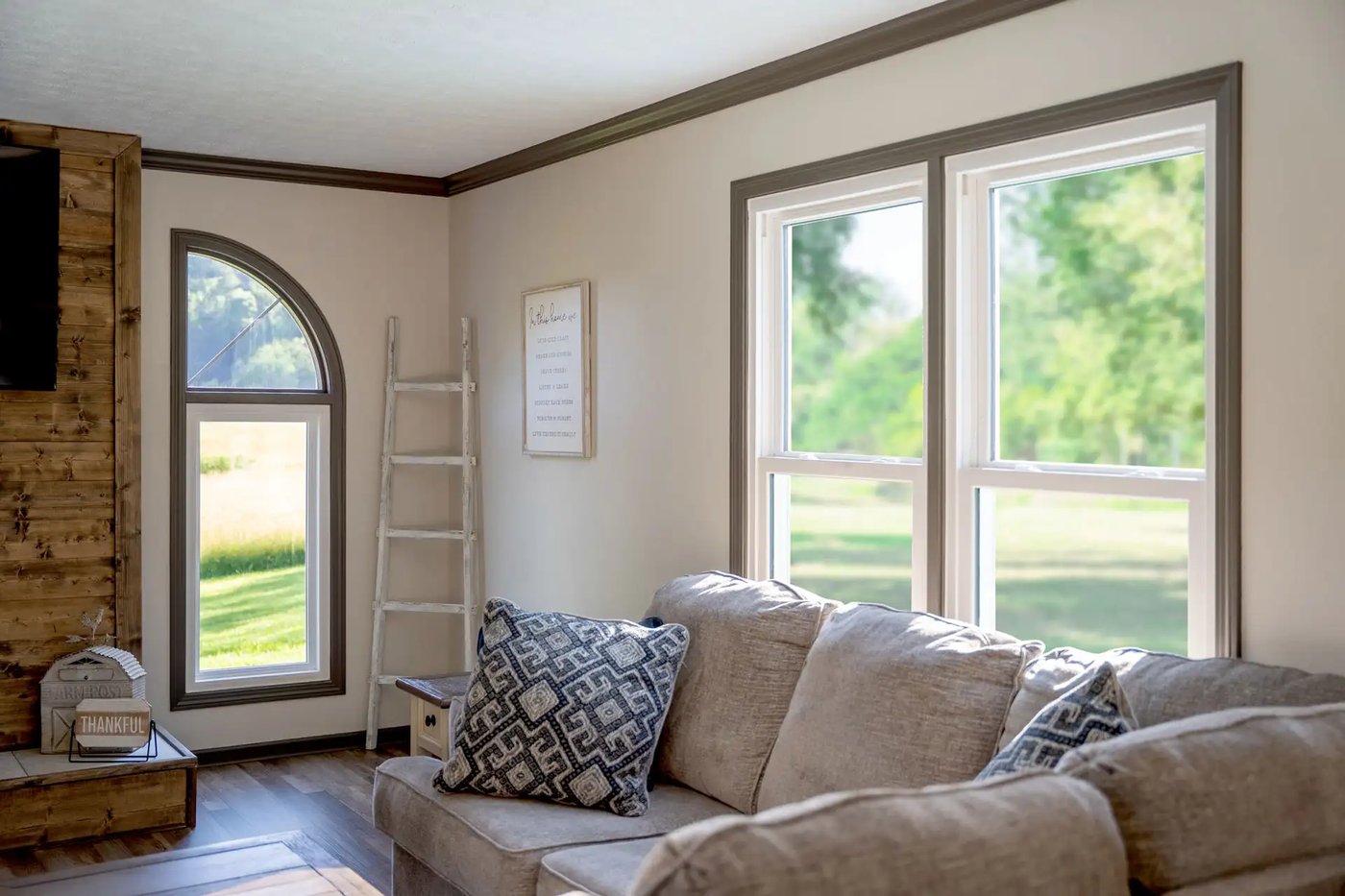
If the work spans several rooms, keep one route available for your household. A hallway can look clear when you're standing in it and still be tight at a turn. Walk it once with the crew and show them where you'd like to keep a path open to the kitchen or a bathroom. Ask where they want you to leave bulky items you move out of the way.
Take down blinds, curtains and shades
Remove coverings from the windows being replaced. Check for rods, brackets, valances and shutters that sit inside the frame or overlap the trim. Ask the crew which hardware needs to come down. If you have motorized shades or a treatment mounted high above a stairway, arrange removal with the shade installer or ask the window crew about it in advance.
Label the treatments and hardware by room. Save the screws with their brackets and take a photo of how each treatment was mounted. If you plan to reuse an inside-mounted shade, ask the installer to check the new opening before you put the brackets back. An insert sits within the old frame, and a full-frame job can change the trim around it. Check the mounting depth, finished width and clearance for the new handles or locks.
Arrange for window alarm contacts
If you see an alarm contact on a sash or frame, tell the window crew and call your security provider ahead of time. Ask who will remove or disconnect the affected contacts and how the provider wants the system handled while the windows are out. Point out any wiring you can see and ask whether the provider needs to visit before the installers arrive.
Book reconnection or sensor replacement as needed. With your provider's guidance, test each affected opening after the contacts are back in place. Ask how to confirm the system is back to normal monitoring. Keep the provider's details handy if the window job is split across several days.
Make room outside and plan for kids and pets
Outside, clear the way from the parking or staging area to the base of each window. Move patio chairs, planters, hoses, toys and yard decorations. Trim back shrubs if the crew asks for more room. Tell them about a locked gate, steep ground, an uneven step or a window above a porch, and ask where ladders or other access equipment will go. If the crew needs to go through a side gate, decide how it will stay usable while your pets are secured elsewhere.
Set up a room away from the crew's path for pets, or arrange for them to stay elsewhere. If the crew needs every room, make that plan before they arrive. Give children a place to play and a route to the bathroom that stays clear of tools and open window spaces. An insect screen keeps bugs out. Keep children away from open windows, including ones that already have their screens back in place.
If you work from home, ask which rooms the crew expects to use first and move calls to another room or another location. Plan around access and noise in the rooms you use most. Stay reachable throughout the job, especially if only one person can approve a change to the agreed scope.
What the crew does on installation day
The crew starts by confirming the openings, access and floor protection. They check the replacement units against the openings before removal. An insert job leaves the usable outer frame in place. On a full-frame job, the crew removes the old frame and checks the exposed opening. If they find rot or signs of water damage, ask them to show you what they found and explain what needs to happen before the new window goes in.
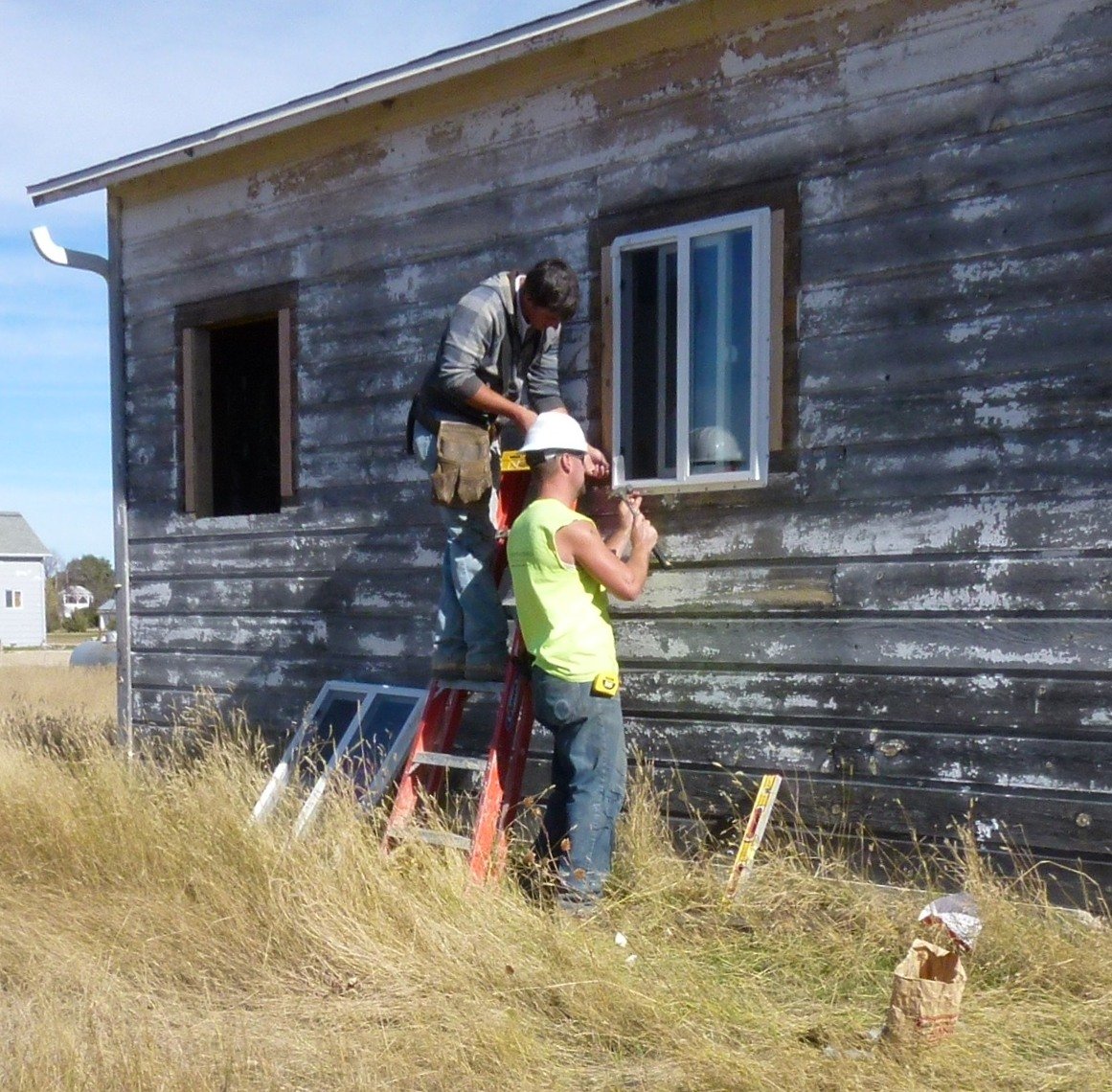
Photo by USDA Forest Service, Northern Region, taken at the Sioux Ranger District in South Dakota.
Once the opening is ready, the crew fits, levels and fastens the new unit according to its installation instructions. Shims are small spacers that help position the frame. Where the installation calls for flashing, the crew adds or repairs the material around the opening that directs water out. The crew seals and insulates around the frame as required and checks that the window opens, closes and locks. Trim, touch-ups, cleanup and disposal follow the scope you agreed on.
| You handle before the work | The crew or a specialist handles |
|---|---|
| Move furniture, empty sills and clear the route through the house. | Confirm measurements, protect the work area as agreed and handle the window units. |
| Take down reachable coverings and flag anything that needs special handling. | Remove the old unit, assess the opening and install, flash and seal the replacement as specified. |
| Set up a safe spot for kids and pets and tell the crew about access. | Set up ladders and other equipment, and carry out any required lead-safe work practices. |
| Arrange the alarm appointment and point out each contact. | The security provider handles sensor work as agreed and guides you through testing. |
See DIY versus professional window replacement if you're still weighing how much of the project to take on yourself.
How long to set aside
Plan for the crew's estimate for your home. Andersen notes that a ground-level full-frame replacement generally takes several hours for a single opening and that an upper-story unit takes longer. An insert preserves the existing frame and usually involves less work around the opening. Several openings, difficult access or repairs uncovered during removal can change the schedule. Ask whether the project is expected to take more than one day, which rooms will be available at the end of each day and what the crew does if weather interrupts the work.
When to replace windows in metro Atlanta
A mild, dry stretch is a good time to replace windows in metro Atlanta. Spring and fall are useful starting points if you have flexibility. October has Atlanta's lowest normal monthly rainfall in the National Weather Service's 1991–2020 data. The forecast at your house and the products specified for your project are what the crew needs to check before opening up the wall.
| Season | What to plan around | What to ask |
|---|---|---|
| Spring | North Georgia weather varies, and thunderstorms are common. | Which day can the crew move to if storms or wet surfaces interfere? |
| Summer | Heat, humidity and thunderstorms are common. | Can the crew order the work around heat and storms, and how will they handle rooms that need to stay usable? |
| Fall | October is relatively dry on average. Weather still varies from day to day. | When will the units and crew be ready, and is there a backup date if rain moves in? |
| Winter | Mild stretches alternate with cold snaps. Check for frost and cold surfaces. | What application conditions do the materials require, and how will the crew limit open time in occupied rooms? |
When you book, ask for the actual order and installation schedule for your windows, and find out when the crew calls a weather delay. If you have a firm deadline, give the installer that date up front and leave room for the forecast to change. If you are planning around a program's application or installation deadline, check the Georgia window rebate and replacement program guide before you book.
What the sealant instructions tell you
Ask which sealant and flashing the installer plans to use and what conditions they require. The sealant data sheet lists application conditions, such as the temperature of the material and the surface it goes on. Cure is the time the applied sealant takes to reach its intended final condition. Temperature, humidity and the depth of the bead affect cure time for products such as OSI QUAD MAX.
Henkel lists a 0°F to 140°F application range for OSI QUAD MAX. It calls for clean, dry surfaces free of frost and lists a full cure of 24 to 72 hours or longer, depending on conditions and the amount used. Henkel's standard OSI QUAD has a 20°F to 100°F application range and a full cure of 7 to 14 days or longer. These are examples from the product data sheets. Use the instructions for the products on your own job to plan around wet or frosty openings and to find out when the new sealant can be painted or disturbed.
If rain is in the forecast, ask whether the crew can finish and protect each opening before it arrives. Ask what they'll do if the frame is damp when they start or if the forecast changes mid-job. That gives you a practical way to decide whether to keep the date, change the order of rooms or move the work to another day.
Walk through the finished windows
Use your original room list. Open and close each operable window, engage its lock and ask how the screen comes out. If the sash tilts in for cleaning, have the crew demonstrate it. Look over the trim and accessible finish work together. Write down anything still due, who will handle it, and when the window and surrounding finish can be cleaned or painted.
Save the product labels and care instructions, along with the room list and any notes about finishing work. Use the cleaning instructions for your glass and frame. If you've scheduled an alarm appointment, keep the room list nearby so you can verify every affected contact. For follow-up questions about care, see window maintenance.
Ready to plan the work? See professional window installation in Atlanta or call All Four Seasons at (678) 271-8918. To send your room list or ask about access before booking, contact the windows team.
Frequently asked questions
Do I have to remove blinds before window replacement?
Take down blinds, shades and curtains over the openings being worked on. Confirm which brackets, rods and shutters the installer needs removed. If you want to reuse an inside-mounted treatment, check its fit against the finished opening before putting the brackets back.
Do window installers need to come inside?
Ask the crew which side they'll work from and where they need access to check operation or carry out finish work. Clear both sides unless the crew gives you a different plan. Tell them ahead of time if a room, a gate or an exterior opening is hard to reach.
Can I stay home while the crew replaces the windows?
Plan to be available for questions and to give the crew access. Ask which rooms they will work in and set aside a separate space for calls, kids and pets. If you need to leave, agree on access and how the crew will reach you for decisions.
What should I do about window alarm sensors?
Call your security provider ahead of time and tell the crew where the sensors are. Arrange for the affected contacts to be handled before removal. Once they are back in place, follow your provider's instructions to test them and confirm monitoring is active again.
Can windows be replaced in winter in Atlanta?
Yes, when the crew can work safely and the opening and materials meet the manufacturer's application conditions. Dry surfaces and the actual surface temperature matter. Ask how the crew will handle overnight frost and how they plan to protect each opening if the work is interrupted.
What happens if it rains on installation day?
Ask your installer who will call and when. The decision depends on how exposed the opening is, whether the surfaces can stay dry and whether the crew can complete and protect the opening safely. If conditions don't suit the work, the crew can explain what needs to move and what can still be done.
How long does window replacement take?
Allow for the number of openings, how the crew will reach them and whether they are inserts or full-frame replacements. Get a home-specific estimate from the installer. Ask which rooms will be usable that evening if the project carries into another day.