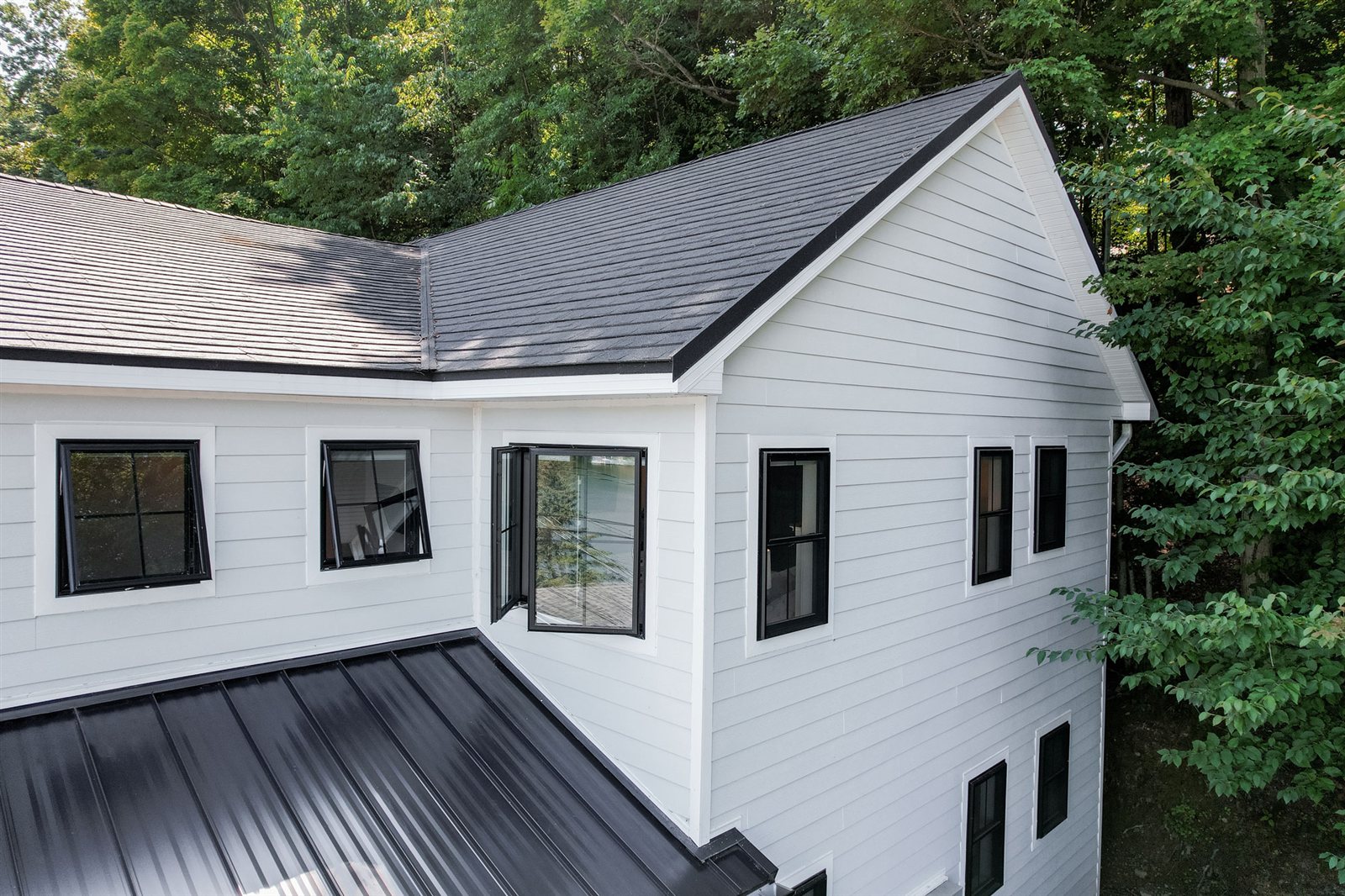
DIY window replacement is worth considering for an accessible insert in a sound, dry frame. Hire a pro if the opening leaks, the frame is damaged, there’s a lead-paint concern, or the work requires changing the opening.
Two quotes for the same window can describe different jobs. One installer plans to leave the existing frame in place. The other plans to remove it, check the wood around it and tie new flashing into the wall. Ask which parts of the opening each installer will keep before you compare the quotes or order a window yourself.
DIY or professional window replacement at a glance
| What you’re dealing with | What to do |
|---|---|
| One ground-floor window with a dry, square frame and intact sill | Consider an insert if the manufacturer’s instructions fit the opening and you’re comfortable measuring, setting and sealing the unit. |
| Soft wood, recurring stains below the sill, or water that shows up during rain | Have the opening inspected before ordering. The repair scope depends on where the water gets in and how far the damage extends. |
| A second-story opening over a roof, a large bay window, or a change in size | Get a professional assessment. Ask how the crew will reach and support the unit, and what happens to the framing and exterior finish. |
| Painted trim or a painted frame in a home built before 1978 | Sort out the lead-paint question before disturbing any paint. For covered work in Georgia, check the firm’s and renovator’s credentials. |
| A bedroom or basement window used for emergency escape | Have the clear opening checked before ordering an insert or changing the window style. Ask your local building department which rules apply. |
The decision can vary by room. A dry, easy-to-reach double-hung window and a leaky bay window on the same house can call for different scopes. Evaluate each opening on its own.
What stays in place with an insert?
An insert replacement, also called a pocket replacement, fits into the old window frame. The installer removes the movable parts, called sashes, and any stops needed to fit the new unit. The old frame stays in the wall, and much of the existing trim can stay with it. This is the smaller job when the frame and sill are sound and the window fits the opening.
The new frame sits inside the old one, so the finished window can have less glass and a smaller clear opening. That matters in a bedroom or basement where the window serves as an emergency exit. Ask for the actual clear opening with the sash fully open. The size printed on an order and the usable opening describe different measurements.
A full-frame replacement removes the old window and its frame down to the rough opening, the opening built into the wall. That gives the installer access to inspect the surrounding wood, address damage in the work scope, and connect new flashing and air sealing around the frame. Exterior trim or siding sometimes needs to come off for that access. Ask which finishes will be put back and who handles painting or patching.
Check these things before you order
- Look at the sill and the wall below it. Check for recurring stains, peeling finishes or visible deterioration. Take pictures and note whether the marks show up after rain or when moisture collects on the room side of the glass. If you suspect lead paint, leave painted surfaces intact while you arrange an assessment.
- Get the instructions for the exact product. For example, ProVia has separate guidance for its Aspect and Endure double-hung windows without a nail fin. Use the instructions that match your unit, frame and wall. A video of a similar window is useful background. The dimensions, clearances and materials come from the instructions for the unit you plan to order.
- Verify which opening you’re measuring. An insert fits the retained frame. Full-frame sizing works from the wall opening. Old openings can vary in width and height from one end to the other, so follow the manufacturer’s measuring points and confirm how much space it calls for around the unit. If the frame is noticeably out of square, ask an installer to assess it before you place the order.
- Decide who is responsible for the fit. Get the measurements confirmed in writing if you plan to buy the windows yourself and have someone else install them. Ask who handles a reorder if a unit arrives damaged or fails to fit and who will keep the house closed up while the issue is resolved.
If you’re still deciding which openings need attention, start with these signs it’s time to replace your windows. A replacement plan starts with what’s happening at each opening, including anything that needs to be checked before choosing a new window.
Why flashing matters when you replace a window
Flashing is the material around an opening that directs water back outside. Around a full-frame window, the sill pan is the part at the bottom. It catches water that reaches the sill and gives it a way to drain. Flashing along the sides and across the head, or upper edge, ties the opening to the wall’s water-resistive layer behind the siding or other exterior finish.
Think about how rain runs down a wall. The upper layers need to overlap the lower ones so water can continue toward the exterior. A gap, a reverse overlap or a blocked drainage path can send water into the opening. The window can still look square and the trim can look finished while water works its way behind them.
Exterior drainage and interior air sealing do different jobs. The air seal closes the gap between the window and the opening on the room side. The drainage details give water an exit on the exterior. Where the window has weep holes, the small openings that let water drain out of the frame, those openings need to remain clear. Ask the installer to show you where the unit drains and which joints the manufacturer calls for sealing.
An insert seals to the old frame and leaves the wall connection behind it in place. If the leak is behind the old frame, a tidy bead of caulk around the insert leaves the source untouched. If water is entering higher in the wall, replacing the window alone can leave that leak in place too. Have the source traced before deciding which work belongs in the quote.
Say you have a wood window with a brown mark below one corner that darkens after rain. Before choosing a replacement, ask the installer to assess the sill, the frame and the wall around the opening. If the installer recommends full-frame work, ask what trim or siding needs to come off and how the flashing will connect to the wall. A photo after flashing and before trim goes back gives you a record of work you won’t be able to see at handoff.
What a DIY installation can mean for your warranty
Read the written product warranty and the installation instructions together. A defect in the window and damage caused by how it was fitted are different problems. Improper installation can leave installation-related damage outside product coverage. Check the documents for your exact model before deciding who will install it.
Ask the seller how to document the installation and what you’d need to file a claim. Save the invoice, order details, product label and the instructions that came with the unit. Take photos of the frame and the work before the trim covers it. If the unit arrives damaged or the label shows a different model or size, bring it up with the supplier before installing it.
With hired work, ask for any workmanship coverage in writing alongside the product warranty. Ask who takes the first call if a window binds or water shows up around the trim. If you buy the window and hire the labor separately, get that answer from both the seller and the installer.
Replacing windows in a home built before 1978
Removing an old sash, frame or painted trim can release lead dust if the paint contains lead. Dust can settle on floors and other surfaces where children spend time. If paint status is unknown in a pre-1978 home, pause before scraping, sanding or pulling painted parts. Ask about a lead assessment or plan the work using lead-safe precautions.
The EPA’s Renovation, Repair and Painting Rule, called RRP, generally covers paid window replacement that disturbs paint in pre-1978 housing. Window replacement is excluded from the rule’s minor repair exemption, even when only a small area of paint will be disturbed. Documented lead-free components and other rule exclusions can change whether a specific job is covered.
Georgia runs its own EPA-authorized RRP program. For covered work, ask for the Georgia Environmental Protection Division credentials for both the renovation firm and the renovator assigned to the job. Expect lead-safety information before work begins. Ask how the crew will contain dust, keep people out of the work area, handle debris and verify cleanup. Georgia EPD explains what to check and provides a firm directory. Georgia EPD guidance for homeowners
The EPA rule generally exempts homeowners doing work themselves in their own home. Rentals, home child care and houses renovated for resale can be subject to the rule. Georgia’s owner exception also has limits when someone other than the owner or immediate family occupies the home during the work, or a child living there has an identified elevated blood lead level. For questions about your situation, use Georgia EPD’s guidance before you start.
The dust risk remains when the owner exception applies. EPA recommends hiring a lead-safe renovation firm for pre-1978 work and provides guidance on assessing paint, keeping dust contained and cleaning up if you do the work yourself. EPA lead-safe renovation guidance for homeowners
What a professional window installation includes
Use this sequence when you review a quote. Ask for the agreed work in writing, especially if the old frame will come out or the exterior finish needs to be opened up.
| Stage | What you should see in the scope |
|---|---|
| Measure and inspect | Window model and style by room, confirmed opening dimensions, insert or full-frame method, parts to keep, and who checks any permit or emergency escape requirements. |
| Protect the room and remove the old unit | Who moves or covers furniture, protects floors, handles blinds and screens, and takes away old windows and debris. When RRP applies, ask how the crew will set up containment and verify cleanup. |
| Inspect what the removal exposes | What the crew will check around the sill and frame, who can approve extra repairs, and how the opening will be protected if the job has to pause. |
| Set and seal the unit | How the crew will support and fasten the frame under the product instructions, connect flashing and drainage where the opening is exposed, and seal the interior gap. |
| Put the finishes back | Which interior and exterior trim, siding and finishes are included. Clarify who handles drywall, paint or masonry touch-ups if they’re needed. |
| Test and hand over the work | Check that each moving sash travels freely and locks, screens fit where ordered, drainage openings are clear, and cleanup is complete. Get the product and workmanship paperwork and a contact for follow-up. |
Shims are small spacers that hold the frame in position while it’s fastened. As part of setting the unit, the crew checks that the sill is level, the sides are plumb or vertical, and the frame is square. Ask for a demonstration of how the window opens and locks. A sash that drags or a lock that takes force is worth raising while the crew is still there.
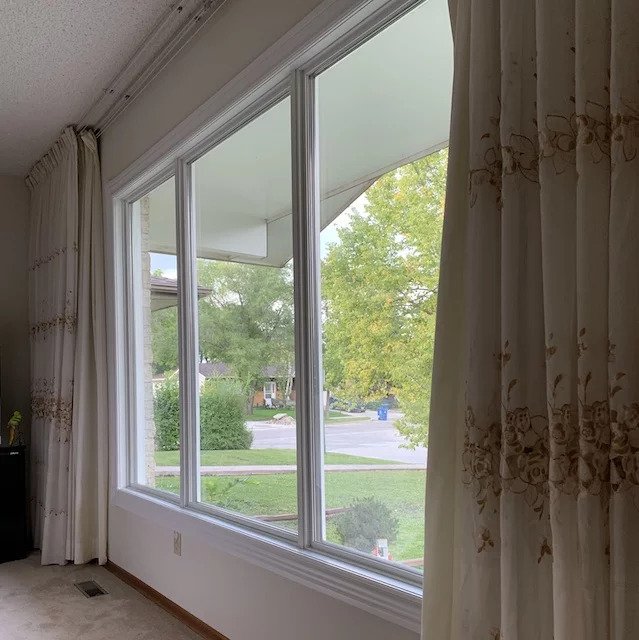
Photo by Alisher Akilov. Picture window installation in Winnipeg · CC BY-SA 4.0.

At the walkthrough, compare the finished trim with the scope you approved. Check fixed picture windows for the agreed finish and any visible damage. Test the moving units in the same room on their own. If you ordered casement windows, try the crank and lock. For rooms that need an emergency escape opening, ask the installer to show which unit serves that purpose and confirm its clear opening.
See how to prepare your home for window installation once the scope is set. Clearing the work area is one way to help. Agree with the crew before removing trim or doing any other prep that changes the opening.
What to ask before you sign a window quote
- What stays at each opening? Have the quote name the windows that get an insert and the ones that need full-frame work. Ask whether the sill, casing and exterior trim stay or get replaced.
- Where will water drain? Ask how the flashing connects to your wall and how the crew will keep the window’s drainage openings clear. This is especially worth discussing at a prior leak or where siding or masonry meets the window.
- What happens if you find rot? Ask who will show you the damage, explain the repair and get your approval before carrying it out. Agree on how the opening will be protected in the meantime.
- Who owns the paperwork? Confirm who handles ordering and any permits, and which contact takes questions about the product or the installation. If lead rules apply, verify the Georgia credentials before committing.
With All Four Seasons, you get a written price before work starts. For a Metro Atlanta project, see our window replacement service and professional window installation. To discuss a specific opening, call (678) 271-8918 or request a window consultation.
Frequently asked questions
Can I replace a window myself without removing the frame?
An insert is designed to fit within a usable existing frame. Consider it if the frame and sill are dry and sound, the opening is easy to reach and the product instructions fit the opening. If you see signs of water damage, find out where the water enters before you order.
Does DIY installation automatically void my window warranty?
Read the warranty for the exact unit. Product coverage and installation-related damage are treated separately in some manufacturer documents. Check the installation requirements and ask the seller what records you’ll need if a problem comes up.
Can I stop a window leak by caulking around the outside?
First find where the water enters. A failed surface joint, an issue behind the trim and a leak higher in the wall call for different work. Leave any weep holes open. If staining returns after rain, have the opening and the surrounding wall checked before adding more sealant.
Does replacing just one window in an older home trigger lead-safe rules?
It can. Window replacement does not qualify for the minor repair exemption based on the amount of paint disturbed. For paid work that disturbs paint in a pre-1978 home, ask about the project’s RRP status and check Georgia EPD credentials if the work is covered.
Should I buy the replacement window and hire someone to install it?
Decide who measures and accepts responsibility for fit before placing the order. Have the installer confirm the exact model, opening size and installation method in writing. Ask the seller and installer who handles a damaged unit, a reorder or an installation-related problem.
Is a basement hopper window suitable for emergency escape?
Check the actual clear opening, sill height and any window well with your local building department before ordering. A basement hopper window opens inward, and its style name tells you little about whether a particular unit is suitable for that opening.