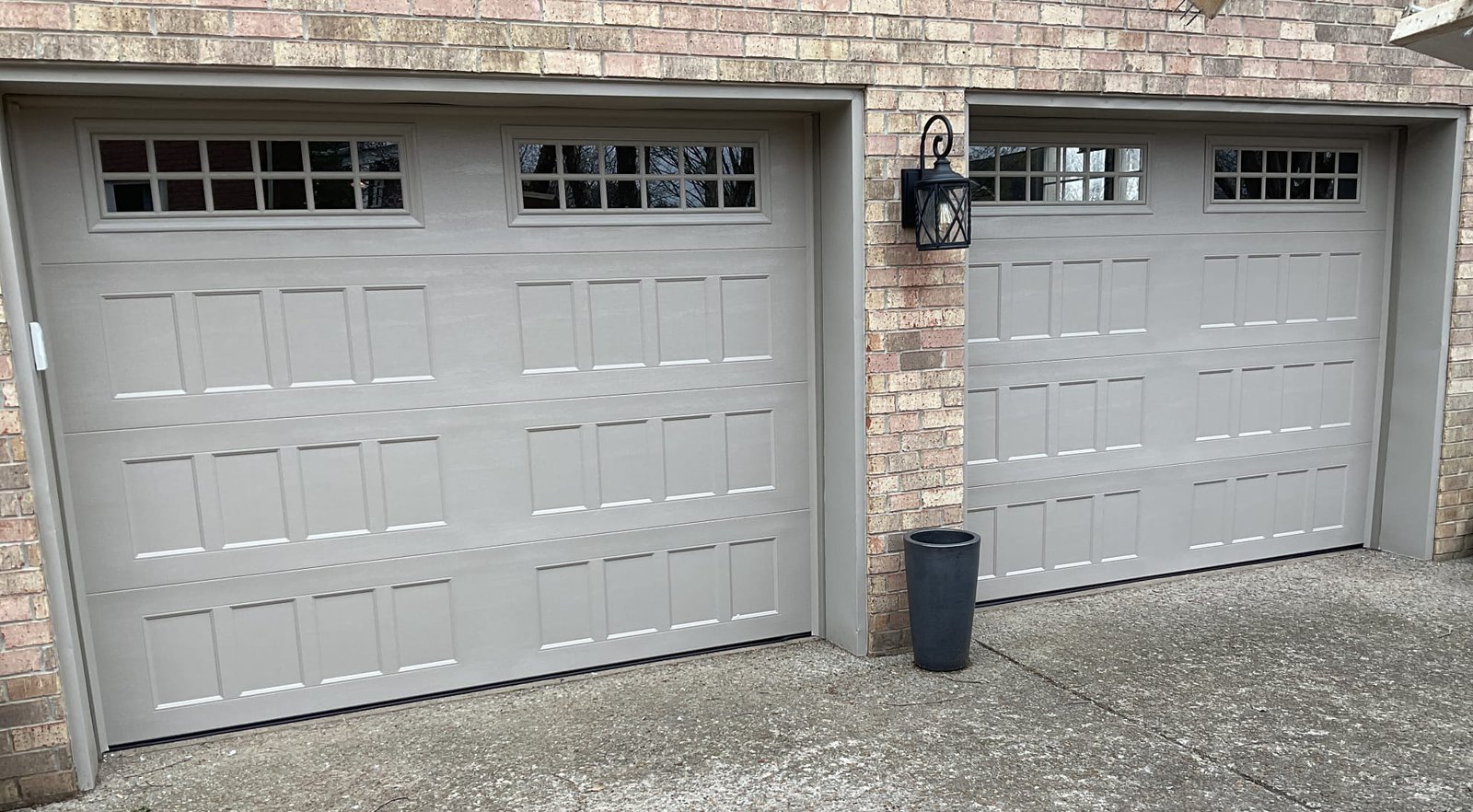
Close your garage door fully, lock the door into the house and take the remote out of any car parked outside. Keep the emergency release usable, and change the keypad code whenever you lose control of who knows it.
How garage break-ins happen
A garage has more ways in than the door you drive through. Someone can walk through an overhead door left open, use a remote taken from a car, or enter through an unlocked side door or window. A damaged overhead door or an exposed emergency release can also be a weak point. With an attached garage, the lock on the door into the house still matters even when the overhead door is shut.
| What to check | What to do |
|---|---|
| The overhead door sometimes stays open after you drive away | Watch it reach the floor and stop before you leave. |
| The door from the garage into the house is usually unlocked | Make locking it part of coming home and going to bed. Check that the deadbolt seats fully. |
| A remote lives on the visor of a car parked outside | Take it with you or use a compatible keychain remote. |
| The keypad code has been shared with several people | Change the household PIN and use temporary access for visitors if your setup supports it. |
| The emergency release has been altered, or the door has a bent section | Have a technician check the release and door before adding hardware. |
| Tools and bikes are visible from outside | Move them out of sight and consider privacy glass or a solid panel. |
Do a walk-around before you shop. Start in the driveway and check whether the door closes all the way. Then check the side door and its windows, the route from the garage into the house and where your family keeps the remotes. If the overhead door closes and comes back up, deal with that fault before you rely on a new lock or a phone alert. A garage door maintenance checklist gives you a starting point for the visual checks.
If you come home to a broken window, a forced door or other signs of a break-in, stay out of the garage and house. Go somewhere safe and call the police. Have damaged doors and locks checked after police say you can return.
Lock the door from the garage into the house
Treat the connecting door like an exterior entrance. Lock it when you finish in the garage, even if the overhead door is already down. If you come in carrying groceries, try making the lock the last step after the last trip. Everyone in the household should know how to open the door from the house side and which exit to use in an emergency.
Check the door and frame together. The strike plate is the metal plate on the frame that receives the latch or deadbolt. With the door shut, the deadbolt should extend freely into the strike without having to push or lift the door. If the bolt catches, the frame is split or the door won't latch, have the fit and hardware checked. Our entry door security guide covers the frame, hinges and lock choices in more detail.
The connecting door also separates the house from the garage in a fire. Georgia's residential code lists solid wood, solid or honeycomb-core steel of specified thickness, and 20-minute fire-rated doors as options for this opening. The U.S. Fire Administration recommends a 20-minute fire-rated door that closes and latches on its own. If your door has a closer, keep it working. Ask an installer to check the door's rating and hardware requirements before drilling it for a deadbolt, viewer or other hardware.
Check any side door that leads straight outdoors too. Close and lock it after yard work, and latch the garage's operable windows. A detached garage still needs secure locks on its own doors and windows, especially if you store bikes, tools or a remote for an attached garage inside it.
Protect the emergency release and keep it usable
The emergency release is the handle, often red, that disconnects the door from the opener so you can move the door by hand. On a ceiling-mounted opener it usually hangs from the trolley, the moving part on the rail. The release gives you a way to use a sound, balanced door if the opener loses power.
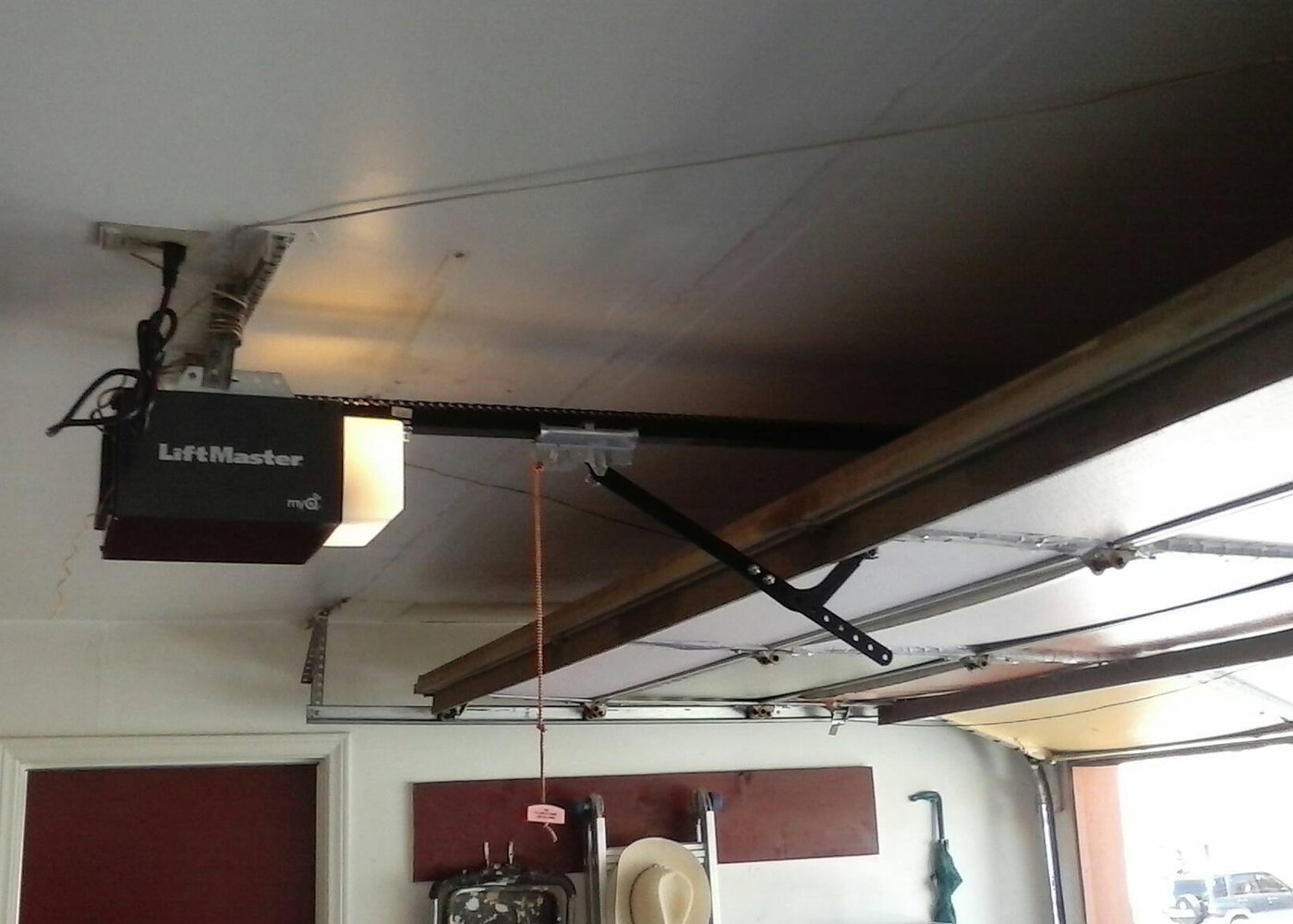
The coat-hanger trick is a break-in method that targets a garage door's emergency release from outside. A compatible release shield puts a barrier in front of the release while leaving the handle reachable from inside. Shield fit depends on the opener and door arm. Ask a technician to check your setup and confirm the shield leaves the handle accessible, the release free to move and the door clear throughout its travel.
Leave the handle and cord in place. Tape and zip ties can keep the release from working when someone needs it. If an earlier owner tied the latch, cut the cord or removed the handle, have the release restored to the manufacturer's setup. The household should know where the handle is and how to use it on that model.
Follow the opener manual for a release check. Start with the door fully closed and the opening clear. If the door is crooked, a cable is hanging or you suspect a broken spring, leave the release alone and keep people clear. A door with weak or broken springs can fall if released while open. See our guide to opening a garage door manually for instructions on normal equipment, and read our garage door safety guide for reverse tests and warning signs.
Manual locks, wall controls and automatic locks
A manual slide lock uses a bolt on the garage door. If the door is already powered, follow your opener's instructions about manual locks. Opener installation instructions generally call for existing door locks to be removed or made inoperative. If your opener and door manuals allow a manual lock, make sure everyone who uses the door knows how to disengage it before running the opener.
Some openers have a Lock setting on the wall control that blocks handheld remotes. On LiftMaster's 8550W, for example, the wall control and keypad still work with Lock on. Check your own manual and confirm what happens with every access device you use. On compatible LiftMaster equipment, an automatic garage door lock engages a physical bolt when the door closes. Ask about compatibility with your exact opener and door if you want a physical lock that works with automatic operation.
Manage remotes, keypad codes and access after a move
Think of the remote as a house key. If you park in the driveway, bring the visor remote inside when you come in. If that becomes one more thing to remember on a busy morning, a compatible keychain remote can travel with your keys. Keep extra remotes in a place you can account for, including the spare that goes with a loaner car.
If a remote goes missing, use your opener manual to erase the old remote and keypad entries. On models that clear all entries together, gather the remotes and keypad you plan to keep before resetting the memory. Pair those devices again, set a new keypad PIN and test each device while you can see the door. If you use a built-in car button, include it in your test. Our remote and car-button programming guide explains how this varies by model.
Follow the same reset routine when you move into a house with an existing opener. If the opener also uses an app, follow the manufacturer's account transfer or reset instructions and review who's on the guest list. A new keypad PIN takes care of one way in. Clearing old remotes and checking app access covers the others.
For a household PIN, pick digits that are hard to guess. Skip house numbers, birthdays, repeated digits and simple sequences. Keep the code off notes near the keypad and change it if someone who no longer needs access knows it. On some LiftMaster keypads you can set a guest PIN to expire after a set time or number of openings. Give a contractor or pet sitter that code, and confirm it has expired or clear it when the work is done. See how to set or change your garage door keypad code for instructions by brand.
Rolling codes and LiftMaster myQ
A fixed-code opener uses the same remote signal each time. A rolling-code opener changes the code with each use, so a previously used code can't simply be reused. LiftMaster's Security+ 2.0 is one example of rolling-code technology. Read the model number from the opener and check its manual before assuming what it supports. A new remote still has to use a code type the opener accepts.
Rolling codes protect the radio signal. Whoever has a working remote can still press its button, and the door into the house still needs its own lock. If you have a fixed-code opener, ask about a compatible upgrade. If it also lacks a working safety reverse system, have the opener checked before continuing to use it. Our opener repair-or-replace guide can help you prepare for that visit.
If you forget whether you closed the garage on the way out, a compatible LiftMaster myQ setup lets you check its status in the app. LiftMaster also lists the following features. Check the product page for your model and accessories before buying.
| Feature | How you can use it |
|---|---|
| Door status and open or close controls | Check the door from your phone and close it remotely when the opening is clear. |
| Open, close and left-open notifications | Set up an alert that tells you if the door stays open after the time you expect it to be down. |
| Access history | Review when the garage was opened and which device the app reports. |
| Guest profiles | Invite a trusted person with the access they need, then review access after the visit. |
| Scheduled closing | Set a closing time if supported, and make sure everyone knows when the door can move. |
Use app-based or scheduled closing only on a compatible sectional door, the kind made of hinged panels. Leave those closing features off on one-piece and swing-out doors.
Check that you receive alerts before relying on them away from home. Where you want to see what happened, check whether your model has a camera and what it offers for live view and recordings. LiftMaster's 6690L is one example with an integrated camera and battery backup. Compare garage door openers and accessories if you want help matching these features to your setup.
Keep garage windows, lighting and cameras working together
Look through the garage door windows from outside in daylight and again with the garage lights on after dark. Pay attention to what's visible from the driveway, especially bikes, tools and access hardware. Moving those items out of sight is a change you can make before you replace any glass.
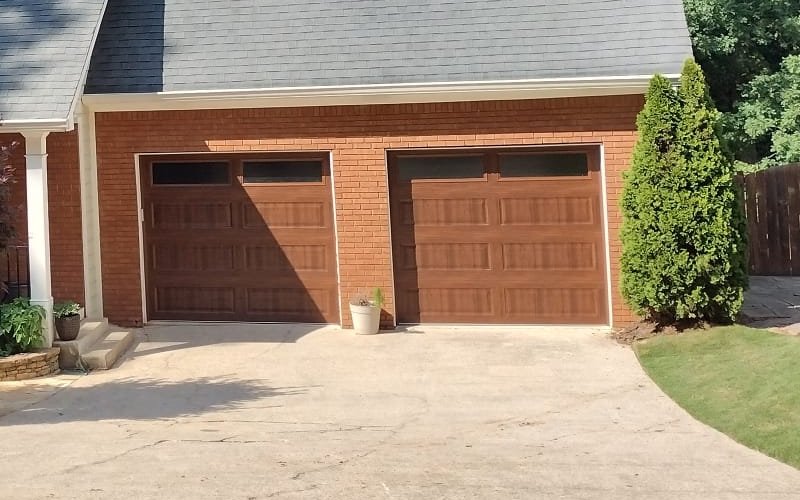
Frosted or obscure glazing blurs the view while letting light through. If you want to eliminate the view through the overhead door, ask about a solid section or a door without windows. Have the manufacturer or installer confirm what fits your door, especially on a wind-rated assembly. Treat privacy and impact protection as separate specifications. If windborne debris is a concern, ask for the documentation for the glazing and the door assembly together.
Place motion lights where they illuminate the driveway and the approach to a side door. Walk the same path at night to see where the lights come on. For a camera, start with a view of the approach and the door. Check the actual image at night with the lights on, and adjust if glare washes out faces or the fixture leaves the doorway in shadow.
If the camera connects to the internet, give its account a unique password, turn on two-factor authentication if offered and keep its software current. Aim it at the areas you need to see and check who has access to the feed. Use a notification as a reason to check what's happening. Keep closing the door fully and locking the house door as part of your daily routine.
If you already have a home alarm, ask whether it can monitor the garage side door and accessible windows. A contact sensor can tell you when a monitored door or window opens. Check which garage sensors are active under your alarm's home and away settings.
A garage security checklist before vacation
- Lock up before departing. Lock the connecting door, side door and any operable windows, and account for each remote. If you leave by car through the garage, watch the overhead door close before driving away.
- Review who has access. Clear unused temporary PINs or app guest access. Give your house sitter only the access they'll need. If you're using a wall-control Lock setting, confirm ahead of time that it permits the access you intend.
- Test notifications and the camera. Open and close the door while you're home, check for the alerts you expect and review the camera view after dark. Ask the person checking on your house to verify the garage door is down after each visit.
- Arrange mail and package pickup. Have a trusted neighbor collect deliveries or put them on hold. Use a timer if you want lights to come on while you're away. Share trip photos after you get home.
- Write down what to do if the door fails. Give your house sitter a way to reach you and a safe way in that doesn't depend on one remote. If they see signs of a break-in, ask them to stay outside and call police.
Get the garage door ready for storms and hurricanes
The National Weather Service documented tropical-storm conditions in northeast Georgia as Helene moved inland in 2024. Check the door well before a storm is in the forecast. An overhead garage door is a large opening, and a high-wind assessment includes the tracks and how they're anchored to the building.
Read the wind label. Look on the inside of the door for the manufacturer and model and the positive and negative design pressures, usually in pounds per square foot. Positive pressure is wind pushing in. Negative pressure is suction pulling out. FEMA's wind retrofit guide also identifies the installation drawing reference and test standard as part of the label. If you can't find it, use the model and door size to ask the manufacturer or installer for documentation.
Match the assembly to the opening. Ask your local building department or installer what design pressures apply at your address. The door size and the building's exposure affect the choice. Clopay's WindCode drawings, for example, cover the door sections, reinforcement, hardware, track and how the frame fastens to the structure. Ask whether there is a manufacturer-documented retrofit for your assembly, or whether a wind-rated replacement is the route to take. If you have windows, ask whether your project requires impact protection for the glass. Bring a label photo and the opening dimensions to a garage door installation consultation.
Close it before the wind arrives. Close the overhead door completely and follow the manufacturer's instructions for any approved lock or bracing system. Plan for a power outage by learning your model's emergency-release procedure while the weather is calm. If officials tell you to evacuate, follow their instructions.
Look before you run it after the storm. Once it's safe to go outside, check from a safe distance for bent sections, shifted tracks and loose cables. If the door looks damaged or sits crooked, leave it where it is and call a technician. Keep people clear of the opening. If wind or an impact leaves it stuck open, lock the door into the house and arrange emergency garage door repair.
What you can do yourself and when to call a technician
| Do it yourself | Call a technician |
|---|---|
| Close the garage door fully, lock the connecting door and take remotes out of parked cars. | The door won't close, sits crooked or has damaged sections, tracks or cables. |
| Change your PIN, remove expired guest access and re-pair your own remotes using the manual. | The release is modified or missing, or you want a shield or automatic lock checked for fit. |
| Move valuables away from windows and test lights, alert settings and camera views. | You want to change a glazed section or assess wind labels, reinforcement or track anchoring. |
| Check whether the house door shuts and the bolt seats cleanly. | The house door has a damaged frame or needs hardware matched to a fire-rated assembly. |
All Four Seasons is family-owned and operated since 1999 and is an authorized LiftMaster dealer. If a damaged door or modified release needs attention, see our garage door repair service in Metro Atlanta or call (678) 271-8918. You'll get a written price before work begins.
Frequently asked questions
How do I secure my garage door from break-ins?
Close it fully, carry the remote with you and lock the door into the house. Then check the garage's side door, windows and keypad access. If the emergency release is exposed, ask about a compatible shield that keeps the handle usable from inside.
Should I zip-tie my garage door's emergency release?
Keep the release free to move. A zip tie or tape can interfere with the release when you need manual access. If the handle is missing or the release has been altered, have a technician restore it and check whether a shield fits.
What should I do if my garage door remote is stolen?
Use your model's instructions to erase the missing remote from the opener's memory. If the reset clears all access devices, re-pair only the ones you control. Give the keypad a fresh PIN and check your app guest list if you have one.
Will vacation Lock mode block my garage keypad?
Check the wall-control and opener manuals for your exact setup, then test it before a trip. A Lock feature that blocks hand-held remotes tells you only how those remotes behave. Check the keypad and app separately if you plan to use them.
Do frosted garage door windows improve privacy?
Frosted glass blurs the view inside while letting light through. Check what's visible with the garage lit after dark. If you want to remove the sightline, ask about solid panels. For a wind-rated door, verify the rating of the exact window and panel configuration.
How do I know if I have a wind-rated garage door?
Look for a label with the manufacturer, model, positive and negative design pressures and the test standard. Ask the installer or manufacturer to verify the rating for your door size and configuration. Have the local building department or installer confirm what the opening needs.
How can I reduce fire risk in an attached garage?
Keep the connecting door shut and let its closer and latch work if it has them. The U.S. Fire Administration recommends keeping gasoline and propane in a shed away from the house and plugging charging equipment directly into an outlet. Check the door's fire protection before changing its hardware.