Does Leaving Garage Door Open Make House Hotter? Insights by All Four Seasons
Have you ever questioned whether leaving garage door open affects the temperature inside your home?
Answer:
Yes, leaving the garage door open can make the house hotter, especially in warm weather, as it allows hot air to enter the house, increasing the overall temperature.
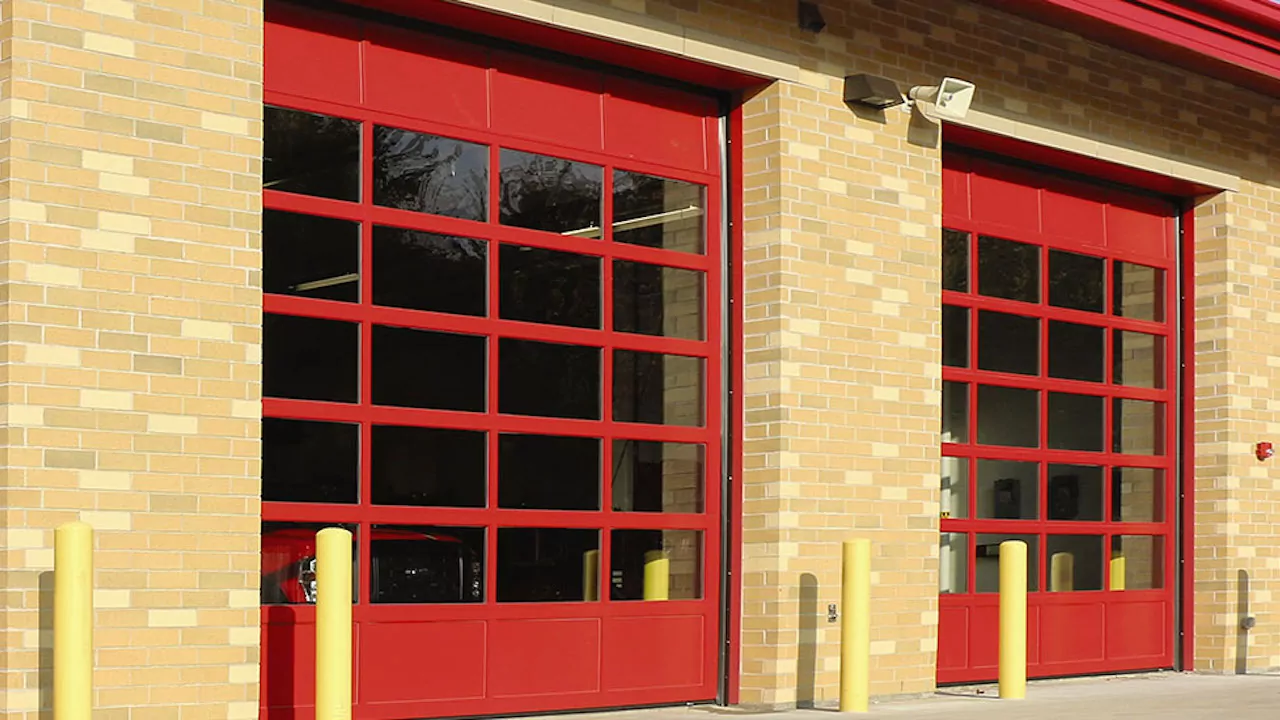
This is because hot air from outside can easily enter the garage and then move into the house through any connecting doors or openings. Additionally, if the garage contains items that absorb heat, such as vehicles or tools, they can release that heat into the surrounding space, further contributing to the increase in temperature inside the house. Therefore, keeping the garage door closed helps maintain a barrier against external heat, helping to keep the house cooler.
At All Four Seasons, we specialize in providing expert insights into this common concern. Our team of professionals can help you understand the potential impact of leaving your garage door open on your home's temperature and energy efficiency.
Request your free consultation
Environmental Impact of Leaving Garage Door Open
- Temperature Control
- Insulation and Ventilation
- Energy Efficiency
- Weather Impact
- Household Comfort
DOES LEAVING GARAGE DOOR OPEN MAKE HOUSE HOTTER
Leaving the garage door open can introduce outdoor air into the garage and subsequently into the house, potentially raising indoor temperatures.
Factors such as weather conditions, insulation levels, garage contents, and duration of the door being open influence the extent of temperature increase.
Mitigation strategies include installing ventilation systems, insulating the garage, limiting the duration of door openings, and using alternative cooling methods.
Proper management can help homeowners maintain a comfortable indoor environment despite occasional garage door openings.
Smart Solutions to Keep Your House Cool Despite an Open Garage Door
To solve the issue of leaving the garage door open potentially making the house hotter, consider implementing the following solutions:
1. Install Ventilation Systems: Proper ventilation in the garage can help dissipate heat buildup, preventing it from transferring into the house. Install exhaust fans or passive ventilation systems to facilitate air circulation.
2. Improve Garage Insulation: Enhance insulation in the garage door and walls to minimize heat transfer. Use insulation materials designed for garage environments to create a barrier against outdoor temperatures.
3. Manage Garage Contents: Avoid storing heat-generating items in the garage, such as running vehicles or appliances. If possible, relocate such items to minimize heat buildup.
4. Limit Door Open Time: Be mindful of how long the garage door remains open, especially during hot weather. Close it promptly after use to prevent prolonged heat influx into the house.
5. Utilize Alternative Cooling Methods: Employ fans or portable air conditioning units strategically to counteract any temperature rise caused by the open garage door. Position fans to facilitate air movement towards the garage and away from the house.
6. Implement Smart Home Solutions: Consider integrating smart home technologies to automate garage door operation and temperature control. Smart thermostats and garage door openers can be programmed to optimize energy efficiency and indoor comfort.
And in winter: does leaving the garage door open make the house colder?
Yes, the same physics runs the other way. An attached garage works as a buffer between your living space and the weather. With the door closed, the garage sits somewhere between the outdoor and indoor temperature, so the walls, the ceiling and the door you share with it lose less heat. With the door open, the garage drops to the outdoor temperature, and every surface it shares with the house gets colder.
In Metro Atlanta that matters more than people expect. January nights at Hartsfield-Jackson average in the mid-30s °F (NOAA 1991–2020 normals), and a garage left open overnight sits at that temperature too.
Where you feel it:
- The room over the garage. A bonus room or bedroom above the garage has the garage ceiling as its floor. It's the first room to go cold when the door is left open.
- The door into the house. Building codes require that door to be solid wood or steel at least 1-3/8 inches thick, or a 20-minute fire-rated door. That's for fire safety, not insulation, and the weatherstripping around it is often the weak spot.
- Shared walls and ducts. Water heaters, laundry rooms and ductwork that run through the garage work harder when it's cold.
- Your car and stored items. Paint, cleaning products and batteries don't like freezing temperatures.
Is it OK to warm up the car in the garage with the door open?
No. The CDC is direct about this: never run a car or truck in a garage attached to your house, even with the garage door open. Carbon monoxide builds up in the garage and seeps into the house through the connecting door and the walls. Back the car out first and let it run in the driveway. The same goes for generators and gas-powered tools.
Keeping the garage warmer in winter
- Close the door. The simplest step, and the one that does the most.
- Check the bottom seal. If you can see daylight under the closed door, the rubber bottom seal is worn or torn. A new one closes the gap and keeps leaves and pests out too.
- Check the weatherstripping around the door frame and on the door between the garage and the house.
- Consider an insulated door if you use the garage as a workshop or gym, or if you have a room above it. An insulated steel door has a foam core that slows heat loss through the door itself.
- Get the door ready for cold. Springs, rollers and the opener all work harder in winter. A yearly tune-up checks the balance, springs and seals before the cold sets in, and our winter garage door guide covers the rest.
Winter questions
Does leaving the garage door open make the house colder?
Yes. An attached garage acts as a buffer against the weather. Left open, it drops to the outdoor temperature, and the rooms that share a wall or ceiling with it, especially a room over the garage, lose more heat.
Can I warm up my car in the garage if the door is open?
No. The CDC warns never to run a vehicle in an attached garage, even with the door open, because carbon monoxide can enter the house. Back the car out and warm it up in the driveway.
How much warmer is a garage than outside in winter?
It depends on insulation, the door, and whether the house heats the shared wall. A closed, attached garage with a sealed, insulated door stays noticeably warmer than outdoors; an open one sits at the outdoor temperature.
Connect With Us
Discover why homeowners and businesses across Atlanta trust All Four Seasons for their garage door needs. Check out our stellar reviews and customer feedback on our Google My Business and Yelp pages.
Ready to improve the energy efficiency of your home? Contact All Four Seasons for expert insights and solutions. Experience the difference with All Four Seasons, where quality meets reliability in garage door repair services.
In search of expert insights into whether leaving the garage door open makes the house hotter in Atlanta? Ask All Four Seasons. From Buckhead to Midtown, Decatur to Virginia-Highland, we are here to provide valuable information and solutions for your garage door needs.