Choose a commercial garage door by how it fits the opening, how often it cycles, and what the bay needs to keep out. Plan for replacement when damage, unavailable parts, or a change in use makes repair impractical.
Start with one opening at a time. A Nashville loading dock and a Franklin auto shop can have doors the same size and need different tracks, controls, and seals. If a door is already out of service, start with Nashville commercial garage door repair and replacement while you plan what the bay needs next.
Compare commercial garage door types
Sectional and rolling doors both move upward. The difference is where the door goes when open. A sectional door has hinged panels that follow tracks into the building or up the inside wall. A rolling steel door has narrow interlocking slats that coil around a barrel above the opening. Both need clearance, but they need it in different places.
| Door type | Where it fits | What to check before ordering |
|---|---|---|
| Steel sectional overhead door | Loading docks, fleet bays, repair shops, and equipment storage | Backroom for overhead tracks or wall height for vertical lift, plus panel and seal options for conditioned space |
| Full-view sectional door | Auto service bays and showrooms where daylight and visibility matter | Glazing, privacy, thermal performance, and the track path |
| Rolling steel service door | Warehouses, industrial bays, and openings where the ceiling needs to stay clear | Space above the opening for the hood and beside it for guides and the operator. Ask about an insulated curtain if the bay is conditioned |
| Rolling sheet door | Individual self-storage units and other openings suited to the model's duty rating | Corrugated sheet construction, available dimensions, and the expected number of cycles |
| Rolling grille or counter shutter | After-hours retail closure or a small service-counter opening | A grille offers visibility and airflow. A counter shutter closes a smaller opening. Confirm which function you need |
| Listed rolling fire door | An opening where the approved plans call for a rated closure | Required rating, compatible wall and mounting details, automatic closing system, and testing records |
Sectional doors for service bays and docks
A standard-lift sectional door turns into horizontal tracks just above the opening. High-lift tracks take it farther up the wall before it turns. Full vertical lift keeps the door traveling up the wall and needs enough wall height to hold the open door. In a service bay, draw the path of a car lift with a vehicle on it and check that against the proposed track and operator locations.
If you want to see a vehicle approach the bay, ask whether a glazed row in a steel door gives you enough visibility. A full-view door uses multiple glazed sections and brings in more daylight. Clopay's commercial Architectural Series, for example, includes aluminum models 904 and 906 with glazing options. Use the exact model and glazing in the written quote so you can compare it with a solid insulated door.
Rolling steel doors for bays with ceiling obstructions
A roll-up service door stores its curtain in a coil above the opening, leaving the ceiling behind it clear of sectional tracks. The hood still needs room above the opening, and the guides and drive need room on either side as specified. On a retrofit, check the beam, conduit, and mounting surface around the opening before assuming the coil will fit.
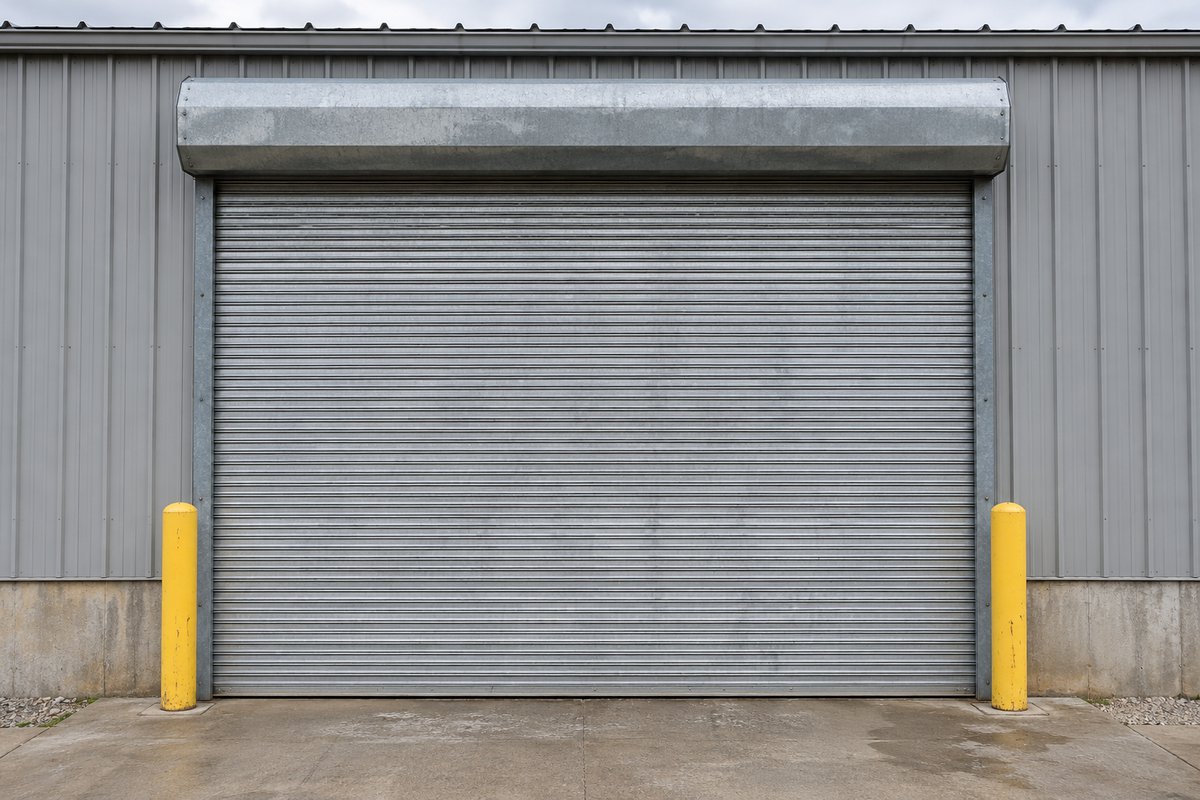
A rolling sheet door also coils overhead, but its curtain is made of corrugated sheet steel. Janus's Model 650 is an example for self-storage. The same manufacturer sells rolling steel service doors for docks and industrial openings, including its insulated 600 Series. Put the product family and model on the quote. If both proposals simply say “roll-up door,” you still need to know what each vendor is supplying.
Once you know which styles fit, browse commercial door installation options in Nashville.
What to check before you ask for a quote
- Identify the opening. Give the bay a number and photograph it from inside and out when safe. For an existing door, get clear photos of the door and operator labels from a safe position. Send the model and serial numbers if you can read them. Include a photo of any fire or wind label you find.
- Write down the clear width and height you need. Note the tallest and widest vehicles or loads that use the opening. Include anything that travels with them, such as a rack or a load on a forklift. Ask the installer to verify the measured opening and the usable clearance with the door fully open.
- Sketch the space around the opening. Headroom is the space above it, sideroom is the space beside it, and backroom is the depth into the bay. Mark the first obstruction in each direction. Pipes, beams, lights, door hardware, and vehicle lifts all belong on that sketch. The installer should use the manufacturer's drawings to confirm the fit and anchorage.
- Count cycles at the busiest time. One full opening and closing is a cycle. Walk through a typical day and the busiest hour. A door that opens in the morning and closes at night has a different duty from a dock door that closes after every trailer. Give the vendor both counts and ask for the door and operator ratings that cover them.
- Describe the space behind the door. Is it heated or cooled? Does the bay get washed down? Does the door face driving rain? Tell the vendor about any need for daylight through the sections, privacy after hours, or a seal along an uneven floor.
- Bring the building requirements. For a replacement, share available plans, the existing label information, and any inspection records. For a new opening, ask your design professional to confirm the required wind pressure and whether the opening needs a rated assembly before the quote is finalized.
Treat those measurements as notes for the site visit. Ask the installer to write down which clearances and building work the proposed door assumes. If the site has several bays, list each separately even if the doors look identical. The Nashville buying checklist is a shorter reference to share with the people comparing quotes.
Insulation, wind and fire ratings in Middle Tennessee
Compare the whole door for a conditioned bay
For a heated shop or temperature-controlled warehouse, ask for the U-factor of the door assembly where it's available. A lower U-factor means less heat transfers through the assembly. An R-value in a brochure often describes a door section. An assembly U-factor includes the effects of joints, the perimeter, and other parts of the installed test door. Ask for the air infiltration rating separately, and confirm whether the figures apply to the glazing and configuration you're buying.
Look at the floor, jambs, and header too. If you see light at one corner with the door closed, ask the technician to check the seal, how the door seats, and the shape of the floor at that corner. A heavy insulated panel still leaves a draft if the door cannot close against the perimeter. For a bay that spends much of a shift open, include that operating pattern when you discuss temperature control.
Get the wind pressure for the actual opening
Metro Nashville lists the 2024 International Building Code with local amendments. For a project elsewhere in Middle Tennessee, confirm the applicable requirements with the authority for that address. Get the required positive and negative design pressures from the project documents or design professional. Ask for manufacturer documentation for the quoted door size, tracks or guides, and attachments. A brochure's wind rating for a different size or mounting configuration is insufficient for that check.
Ask where runoff goes when it reaches the threshold. If water already pools against the door, include that in the site visit. DASMA treats wind-driven rain as a separate issue from structural wind performance. Discuss drainage and the fit of the seals even when the door meets the specified wind loads.
Treat a fire door as a listed assembly
Metro Nashville's Fire Marshal's Office reviews fire and life safety plans. If the drawings identify the opening as one that needs protection, have the design team or local authority confirm the required assembly and rating. Give the installer the wall and opening details and ask for the listing that matches them. Insulation, a steel curtain, and a fire label mean different things.
Some listed rolling fire doors are designed to close on a signal from the fire alarm system. Ask who will coordinate the release, verify closing, and deliver the test record. DASMA calls for annual inspection and drop testing of rolling steel fire doors following the manufacturer's instructions. Arrange that with a trained technician and keep the records with the building's fire door documentation.
Specify the commercial door operator and controls
The door operator is the motor and drive that move the door. Size it for the door type, size, weight, and cycles per hour and day. A trolley operator runs along a rail and is an option on standard-lift sectional doors. A side-mounted hoist operator is an option on compatible rolling steel doors and certain sectional lifts. For example, LiftMaster offers the T trolley operator for standard-lift sectional doors and the MAXUM JHDC hoist for compatible rolling and sectional installations.
Before you approve the operator, confirm the available electrical power, who supplies the final connection, and where the controls will be mounted. Tell the installer who needs access from each side and what the team is expected to do during an outage. Ask for a demonstration of the model's manual operation procedure at handover so the people on shift know how to follow it safely.
If the issue is with an existing keypad or remote, ask about Nashville opener control service and have the operator model handy.
Have the installer explain the operator's UL 325 listing and the compatible entrapment protection for the proposed control mode, such as monitored photo eyes or a sensing edge. Review the paths of people and vehicles too. A tall truck's body can sit above a low photo-eye beam. Show the installer where vehicles stop and ask how the system will account for that traffic. Have the technician demonstrate the safety devices before the bay returns to use.
Repair or replace a commercial garage door?
Start with the failure and the condition of the rest of the assembly. A technician can check whether the fault is in the door, the controls, or the operator. Ask whether the damaged part is available and compatible with the existing model. That question matters on rolling steel doors, where slat profiles and other components differ by manufacturer and model.
| What you see | What to ask for |
|---|---|
| A worn seal or an isolated control fault | A targeted repair if the rest of the door and operator pass inspection |
| One damaged sectional panel or a localized problem in a rolling curtain | A check of matching parts, guides or tracks, and hardware before choosing a section, curtain, or full door replacement |
| The curtain binds after a vehicle strike, a guide pulls away, or the door hangs crooked | Take the bay out of use. Have a technician assess the door, its supports, and the mounting surface before any decision |
| The same problem returns or a compatible part is no longer available | A written comparison of the repair scope, parts availability, and what a replacement resolves |
| The bay now handles taller vehicles, more cycles, or a different building use | Recheck the clear opening, duty rating, and building requirements as you would for a new door |
Ask for the reason the fault happened before approving a part swap. If a forklift caught the guide, the inspection should include the guide attachments and the jamb. If the old operator is being kept, ask for written confirmation that it fits the replacement door and its controls. If the existing door has a fire label, have the installer verify that the proposed repair or replacement preserves the required listing.
If a loading bay is the only one you have, put the work window and an alternate plan for deliveries in the replacement scope. If several bays are involved, ask what each one needs to reopen safely and whether work can be phased.
What your staff can check and what a technician should handle
Your staff can observe from a safe position. Record when the door sticks or reverses, note an error code visible at the control station, and photograph damage without walking under the door. Keep the travel path clear during normal operation. If you see a crooked door, loose hardware, a damaged guide, or a frayed cable, take the bay out of use and keep people clear until it is assessed. Our Nashville emergency door repair page explains what to do while you wait for service.
A trained door technician handles the loaded hardware. Leave springs, cables, bottom brackets, guides, and adjustments to the operator and its safety devices to the technician. Keep the door out of service if a safety device fails. Ask for a maintenance schedule for your model and usage, and keep a log with each bay's inspection dates and repeat faults.
How to compare commercial garage door vendors
Ask each vendor to quote the same opening and use. If one proposal leaves out controls or wiring, you need to know who is handling them and when that work happens. Compare the scope line by line before comparing the totals.
- Door and fit. Ask for the manufacturer, model, finished size, track or guide layout, and clearance drawing. Request the model-specific product data for any insulation, glazing, wind, or fire requirements in the bid.
- Operator and handover. Ask for the operator model, the proposed safety devices and controls, and who supplies power or alarm work. Include the operating demonstration, manuals, and applicable inspection or test records in the scope.
- Experience and parts. Ask for an example of similar commercial work and who will service that model after installation. Have the vendor explain how to order a compatible curtain, section, or operator part if a bay is damaged later.
- Work window and support. Ask who takes out the existing door, handles disposal, and coordinates access with your staff. Get the applicable coverage and exclusions in writing and ask who to call after hours if a bay cannot be secured.
If you're planning a project, see the Middle Tennessee communities we serve or ask the Nashville commercial team about your opening. Have the bay dimensions and a door label photo handy if available. All Four Seasons is family-owned since 1999 and an authorized LiftMaster dealer. You'll get a written price before work starts.
Talk to a commercial technician at (678) 271-8918. For a new opening, you can also request a Nashville door consultation.
Frequently asked questions
What is the difference between a sectional door and a roll-up door?
A sectional door's hinged panels follow tracks into the bay or up the wall. A rolling steel door's slats coil above the opening. Compare the space for the sectional tracks with the space needed for the rolling door's hood, guides, and drive.
Is a rolling sheet door the same as a rolling steel service door?
Both coil above the opening. A sheet door uses a corrugated steel curtain and is common on individual self-storage units. A rolling steel service door uses interlocking slats. Check the exact model's application, duty rating, and clearances before choosing one for a business bay.
What kind of door works for an auto repair shop?
Consider a sectional steel door with a glazed row if you need to see approaching vehicles, or a full-view sectional door if daylight matters across the bay. Before choosing the track layout, have the installer check the path of the door against the vehicle lift and anything overhead.
Is an insulated door worth specifying for a warehouse?
Start with how you use the space. For a conditioned warehouse, compare whole-door U-factors and air infiltration figures, including the proposed glazing and seals. For a bay that stays open during much of the shift, tell your installer how long it stays open before choosing a model.
Can I replace the operator and keep the existing door?
Yes, if a technician verifies that the door works safely and the new operator matches its type, size, weight, and usage. Ask the technician to specify compatible controls and safety devices for that operator and demonstrate them at handover.
Does every commercial garage door in Nashville need a fire rating?
Check the approved plans and ask the local code official about the specific opening. If it needs a rated closure, ask for a listed assembly that matches the wall and required rating, plus the closing and testing documentation.
When should I plan to replace a commercial garage door?
Get a replacement quote when compatible parts are unavailable, damage affects more of the assembly than a targeted repair can address, or the bay needs different clearance or duty. Ask the technician to document what can be reused and what a replacement would fix.
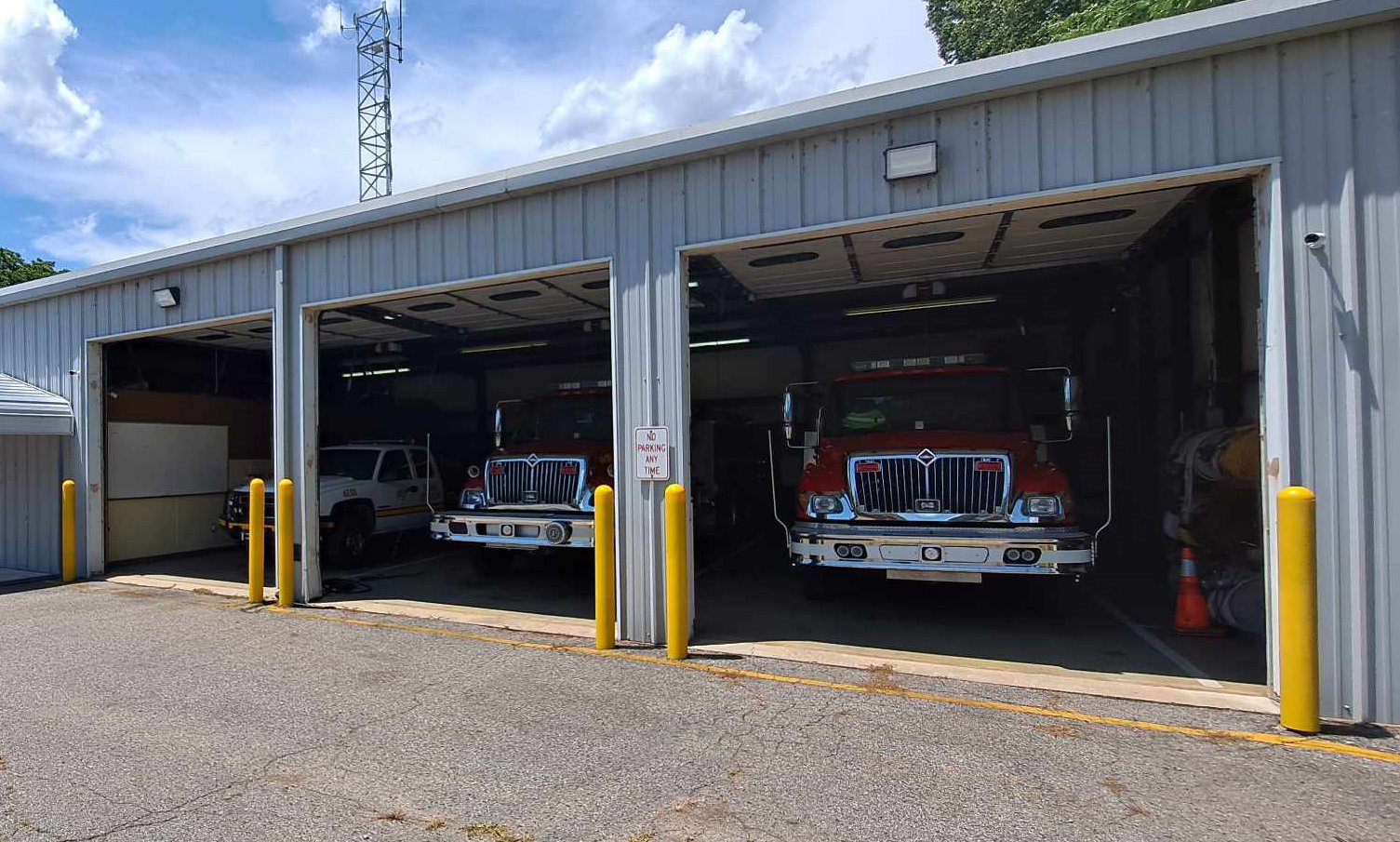
Top photo: “Rives Fire Station” by Luis Santos24, via Wikimedia Commons, CC BY-SA 4.0. Cropped and resized.
