
When you pull into your driveway, what is the first thing you notice? For many homeowners, the garage door takes up nearly one-third of the home’s front facade. If your current door is dented, peeling, or struggling to open smoothly, it might be time for an upgrade. A new garage door is not just a cosmetic enhancement; it is a strategic investment in your home’s security, energy efficiency, and overall value.
In fact, according to the latest Cost vs. Value Report, replacing a garage door delivers an astonishing 268% return on investment, making it the highest-yielding home improvement project available [1]. Whether you are preparing to sell your home or simply want to enjoy a quieter, more reliable system, navigating the modern garage door market can feel overwhelming.
This comprehensive 2026 Garage Door Buying Guide by All 4 Seasons Garage Doors will walk you through everything you need to know—from selecting the right materials and styles to understanding insulation ratings and the latest smart technology.
1. Choosing the Right Garage Door Material
The material you choose for your new garage door will dictate its durability, maintenance requirements, and aesthetic appeal. While wood was once the standard, modern engineering has introduced a variety of materials that cater to different climates and budgets.
Steel: The Undisputed Champion of Durability
Steel remains the most popular choice for residential garage doors, and for good reason. It offers an exceptional balance of strength, security, and affordability. Modern steel doors are constructed with multiple layers, often sandwiching insulation between steel panels to improve energy efficiency. They are highly resistant to warping, cracking, and weather damage, making them ideal for areas that experience harsh winters or sweltering summers.
Furthermore, steel doors require minimal maintenance—usually just a simple wash with soap and water once a year. For homeowners who love the look of natural wood but want the durability of metal, many manufacturers offer steel doors with composite overlays that mimic realistic wood grain textures.
Wood: Unmatched Natural Beauty
For those seeking unparalleled curb appeal and a touch of luxury, natural wood garage doors are the ultimate choice. Wood doors offer a timeless, classic aesthetic that can be customized with unique stains, carvings, and window designs. They are naturally resistant to denting and provide excellent inherent insulation.
However, the beauty of wood comes with a higher price tag and significant maintenance responsibilities. To prevent the wood from absorbing moisture, swelling, or rotting, these doors must be regularly sanded, sealed, and restained or repainted. Wood doors are best suited for mild climates where they are not constantly exposed to extreme temperature fluctuations or heavy precipitation.
Aluminum and Glass: The Modern Statement
If your home features contemporary architecture, an aluminum and glass garage door can make a striking statement. These doors are constructed with sturdy aluminum frames holding large, tempered glass panels. They allow an abundance of natural light into the garage, transforming it from a dark storage space into a bright, usable area.
Aluminum is naturally rust-resistant, making it an excellent choice for coastal environments where salt air can quickly corrode steel. It is also significantly lighter than steel or wood, which puts less strain on the garage door opener mechanism. The primary drawback is that aluminum is more prone to denting than steel, and standard glass panels offer poor insulation unless you upgrade to insulated glass.
Fiberglass: The Coastal Compromise
Fiberglass garage doors are a cost-effective alternative that excels in specific environments. They are highly resistant to saltwater corrosion and will never rot, making them another strong contender for coastal homes. Fiberglass can also be molded to closely resemble the texture of natural wood.
While fiberglass is low-maintenance, it does have vulnerabilities. It can become brittle in extremely cold temperatures and is more susceptible to wind damage than steel or solid wood. Therefore, it is generally recommended for moderate, temperate climates.
| Material | Best For | Maintenance Level | Relative Cost |
|---|---|---|---|
| Steel | Durability, security, all climates | Low | $$ |
| Wood | Luxury aesthetics, custom designs | High | $$$$ |
| Aluminum | Modern homes, coastal areas | Low | $$$ |
| Fiberglass | Coastal areas, moderate climates | Low | $$ |
2. Selecting a Style That Complements Your Home
A garage door should seamlessly integrate with your home’s architectural style. Choosing a mismatched design can detract from your curb appeal, while the right style can elevate the entire property.
The Carriage House Revival
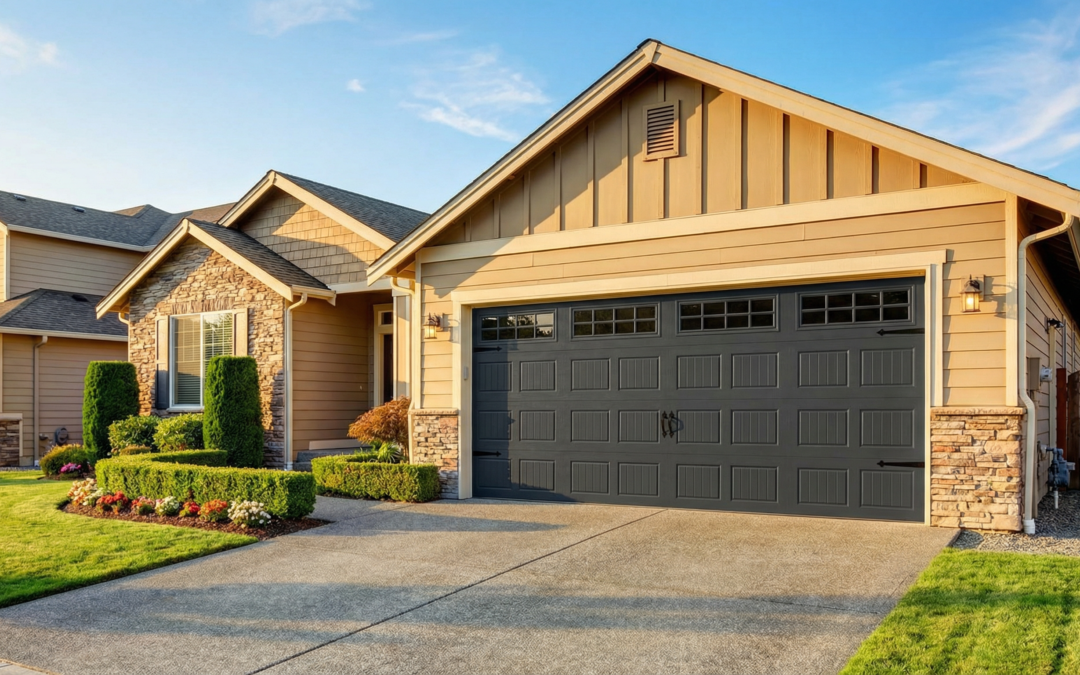
Carriage house garage doors are designed to replicate the look of traditional swing-out doors found on historic carriage houses, but they operate with the convenience of a modern overhead track system. They typically feature decorative hardware, such as wrought-iron hinges and handles, and often incorporate distinct window patterns.
In 2026, we are seeing a “reimagined” carriage house trend. Homeowners are blending this classic silhouette with modern materials, opting for sleek black or charcoal finishes instead of traditional white or wood tones. This style pairs beautifully with Craftsman, Farmhouse, and Tudor-style homes.
Modern and Contemporary Clean Lines
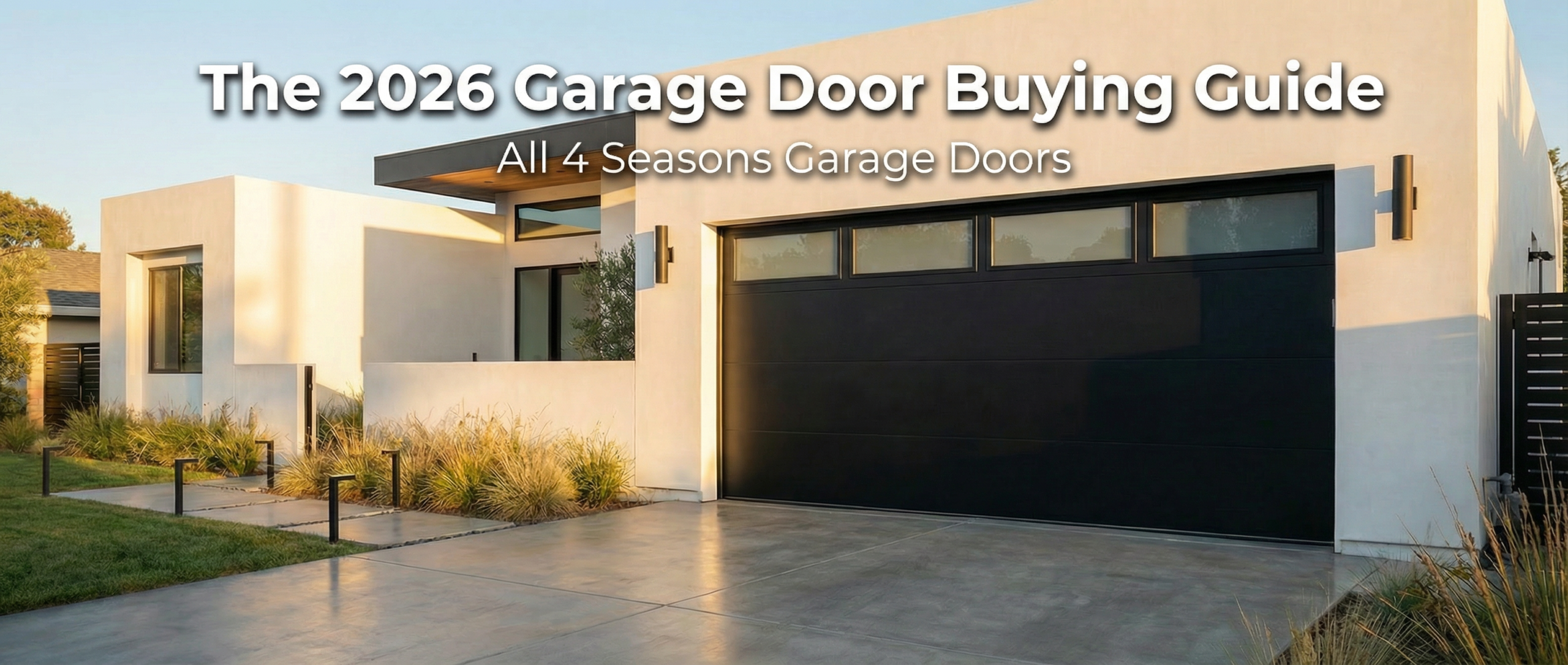
As modern architecture continues to surge in popularity, so do contemporary garage door styles. These doors are characterized by clean, horizontal lines, minimalistic hardware, and a focus on asymmetrical window placements. Flush panel doors—which have no raised or recessed designs—are a staple of this category.
Materials like aluminum and tinted or frosted glass are frequently used to achieve an industrial or ultra-modern look. If you own a Mid-Century Modern or contemporary home, this style will perfectly complement your exterior.
Traditional Raised Panel
The traditional raised panel garage door is the classic American standard. It features symmetrical, rectangular panels that add depth and texture to the door’s surface. This style is incredibly versatile and looks appropriate on almost any home, from Colonial to Ranch-style architecture. Because it is the most common style, it is widely available in every material and color, making it a safe and budget-friendly choice.
3. The Importance of Insulation and R-Value
Many homeowners overlook insulation when purchasing a new garage door, assuming it is only necessary for the main living areas. However, if your garage is attached to your home, or if you have a living space directly above it, an insulated garage door is crucial for energy efficiency.
Insulation helps regulate the temperature inside the garage, preventing extreme cold or heat from seeping into your home through shared walls. This reduces the workload on your HVAC system, ultimately lowering your monthly energy bills. Furthermore, insulated doors are significantly quieter during operation and are structurally stronger, making them more resistant to dents.
Understanding R-Value
The effectiveness of garage door insulation is measured by its R-value. The higher the R-value, the better the door resists the flow of heat.
- R-0 to R-6: Uninsulated or minimally insulated doors. Suitable for detached garages in mild climates.
- R-7 to R-12: Moderate insulation. Ideal for attached garages in temperate climates.
- R-13 to R-18+: High-performance insulation. Highly recommended for harsh climates, heated garages, or homes with living spaces above the garage.
Polystyrene vs. Polyurethane
When shopping for an insulated door, you will encounter two primary types of insulation: polystyrene and polyurethane.
Polystyrene is a rigid foam panel that is inserted between the steel layers of the door. It typically provides an R-value ranging from R-4 to R-9. It is a cost-effective option that offers a noticeable improvement over uninsulated doors.
Polyurethane, on the other hand, is a liquid foam that is injected into the door panels, expanding to fill every crevice before hardening. This creates a denser, more structurally sound door with superior thermal resistance. Polyurethane insulation generally achieves R-values between R-10 and R-17.5, making it the premium choice for maximum energy efficiency [2].
4. Upgrading Your Garage Door Opener: Smart Features for 2026
A new garage door deserves a modern operating system. If your current opener is noisy, slow, or lacks safety features, it is time to consider a replacement. The garage door openers of 2026 are no longer just simple motors; they are integrated smart home devices.
The Rise of the Jackshaft Motor
Traditionally, garage door openers were mounted on the ceiling, utilizing a chain or belt to pull the door along a central rail. While belt-drive openers remain popular for their quiet operation, the wall-mounted jackshaft motor is rapidly becoming the preferred choice for new installations.
Jackshaft openers are mounted on the wall beside the garage door, connecting directly to the torsion bar. This eliminates the need for an overhead rail, freeing up valuable ceiling space for storage or accommodating high ceilings. They operate with minimal vibration, making them exceptionally quiet—a major benefit if you have a bedroom located near the garage.
Smart Connectivity and Security
Modern openers are equipped with built-in Wi-Fi, allowing you to control and monitor your garage door from anywhere using a smartphone app. You can receive real-time alerts if the door is left open, set schedules to ensure it closes automatically at night, and even grant temporary access to delivery drivers or dog walkers.
Security has also seen major advancements. Many 2026 models feature integrated digital cameras with motion detection, providing a live video feed of your garage directly to your phone. Additionally, battery backup systems are now standard on many premium models, ensuring you can still operate your door during a power outage.
5. Budgeting for Your New Garage Door
The cost of a new garage door can vary widely based on the material, size, insulation, and custom features you select. In 2026, homeowners can expect to budget approximately $1,151 to $1,869 for a standard single-car garage door installation [3].
For a high-quality, insulated two-car steel door with a modern smart opener, the investment typically ranges from $2,500 to $4,000. Custom wood doors or high-end aluminum and glass models can exceed $6,000.
While the upfront cost may seem significant, remember the incredible 268% ROI this project delivers. A new garage door not only enhances your daily convenience and security but also substantially increases your property’s resale value.
Ready to Transform Your Home?
Choosing the right garage door is a major decision, but you don’t have to navigate it alone. At All 4 Seasons Garage Doors, our team of experts is dedicated to helping you find the perfect door to match your home’s style, your climate needs, and your budget.
Whether you are interested in a classic carriage house design, a highly insulated steel door, or the latest smart opener technology, we provide professional, reliable installation services you can trust. Contact All 4 Seasons Garage Doors today to schedule a consultation and take the first step toward upgrading your home’s curb appeal.
References
[1] Zonda. (2025). Cost vs. Value Report. jlconline.com
[2] Custom Overhead Doors. (2015). Polyurethane vs. Polystyrene Insulation for Garage Doors. customoverheaddoors.net
[3] This Old House. (2026). How Much Does a Garage Door Cost? (2026 Guide). thisoldhouse.com